Ashth - Where Exceptional Craftsmanship Defines Modern Luxury !

- Rings
- Earrings
Shop By Category
- Bangles/ Bracelets
Shop By Category
- Necklaces
Shop By Category
- Pendants
Shop By Category
- ASHTH LITE
Shop By Category
- Collections
Collections
Shop By Category
Shop By Category
Shop By Category
Shop By Category
Shop By Category
Collections
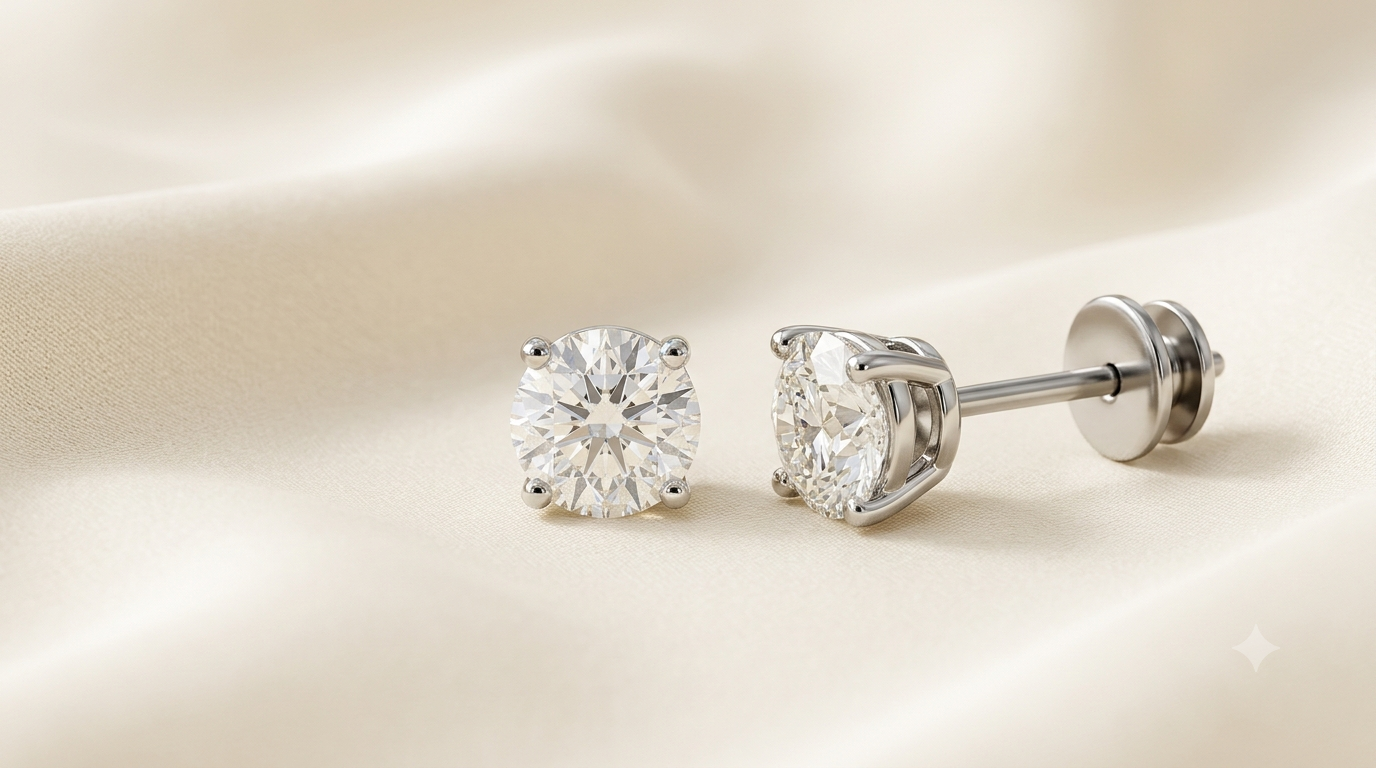
Finding the right daily wear diamond earrings is not only about beauty or sparkle. If you have sensitive ears, comfort and skin-friendly materials are just as important. The wrong metal can cause itching, redness, swelling, or skin irritation, even when the diamonds look perfect.
The good news is that you do not have to give up wearing diamond earrings. By checking the post, backing, setting, and metal type, you can find a pair that feels comfortable for everyday use.
In this guide, we will explain what to look for when buying diamond earrings for sensitive ears, which metals may be better choices, and how to care for your earrings.
Diamonds are not usually the reason for ear irritation. The metal parts of an earring are more likely to cause a problem.
If your ears feel itchy, red, swollen, or develop a rash after wearing earrings, you may have a metal allergy. This happens when your skin reacts to a certain metal.
However, not every reaction is an allergy. Tight earrings, heavy stones, friction, and trapped moisture can also irritate your skin.
For example, a tight backing may put pressure on your earlobe. Sweat and moisture may also collect around the post and backing.
If earrings cause discomfort, stop wearing them. Seek medical advice if the reaction is severe, keeps coming back, or does not improve.
Nickel is one of the common causes of allergic contact dermatitis, a skin reaction caused by contact with an allergy-triggering substance.
The American Academy of Dermatology identifies nickel as a common cause of this condition. DermNet has reported nickel allergy in around 10–20% of women and 1–3% of men. These are estimates and should be checked against the latest source before publication.
Nickel allergy can develop after repeated exposure. This means you may wear a pair of earrings for months or years before noticing a reaction.
If you suspect a metal allergy, a dermatologist can help identify the cause. Patch testing may help in some cases.
Illustrative composite example: Imagine someone who wears diamond studs with plated metal posts. After regular use, their ears start feeling itchy and red. They stop wearing the earrings and later switch to a pair with verified nickel-free posts that their skin tolerates.
Their comfort improves, but this example does not prove that every reaction is caused by nickel. Different people can react to different materials.
The earring post passes through your piercing, so its material deserves special attention.
Titanium and niobium are common options for people with metal sensitivities.
Verified implant grade titanium is often a useful starting point because certain grades are suitable for body jewelry. Niobium is another option that may work well for some people.
However, do not depend only on words like "safe" or "hypoallergenic." Ask the seller for the exact material and grade.
A professional piercer or jeweler can help you choose a suitable post based on your piercing and personal needs.
Solid 14k or 18k gold may suit some people with sensitive ears. However, gold earrings contain other metals, and the exact mix can vary.
White gold deserves extra attention because some white gold alloys contain nickel. Other types use different alloy mixtures.
Before buying, ask the seller for a written breakdown of the metal composition. If you already know you have a nickel allergy, do not assume that every gold earring will be suitable.
Sterling silver is an alloy, usually made mainly of silver and copper. Other materials may also be present depending on the product.
Plated earrings have a thin layer of another metal over a base metal. With regular use, this layer can wear away and expose the material underneath.
This can be a concern for people with sensitive ears.
Ask this simple question before buying: "What metal is used in the post, not just the visible setting?"
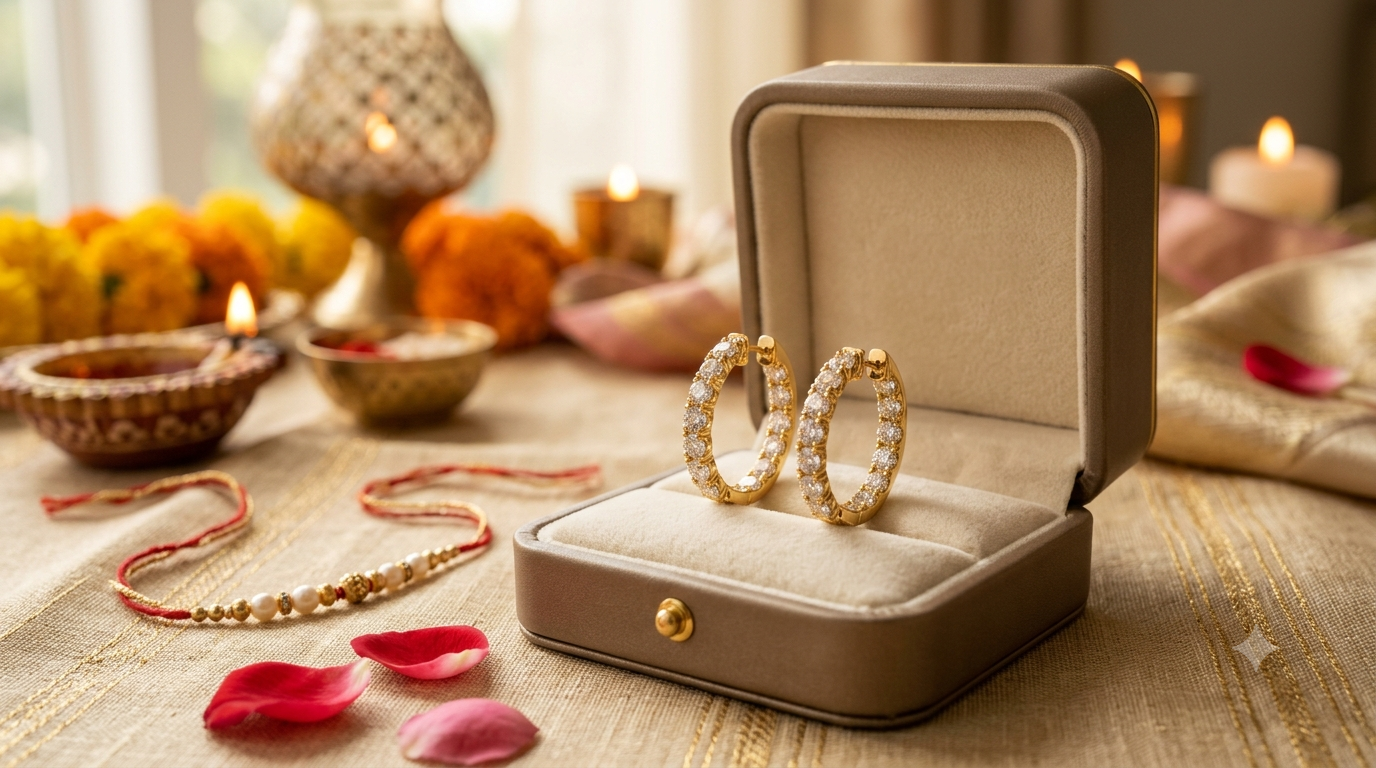
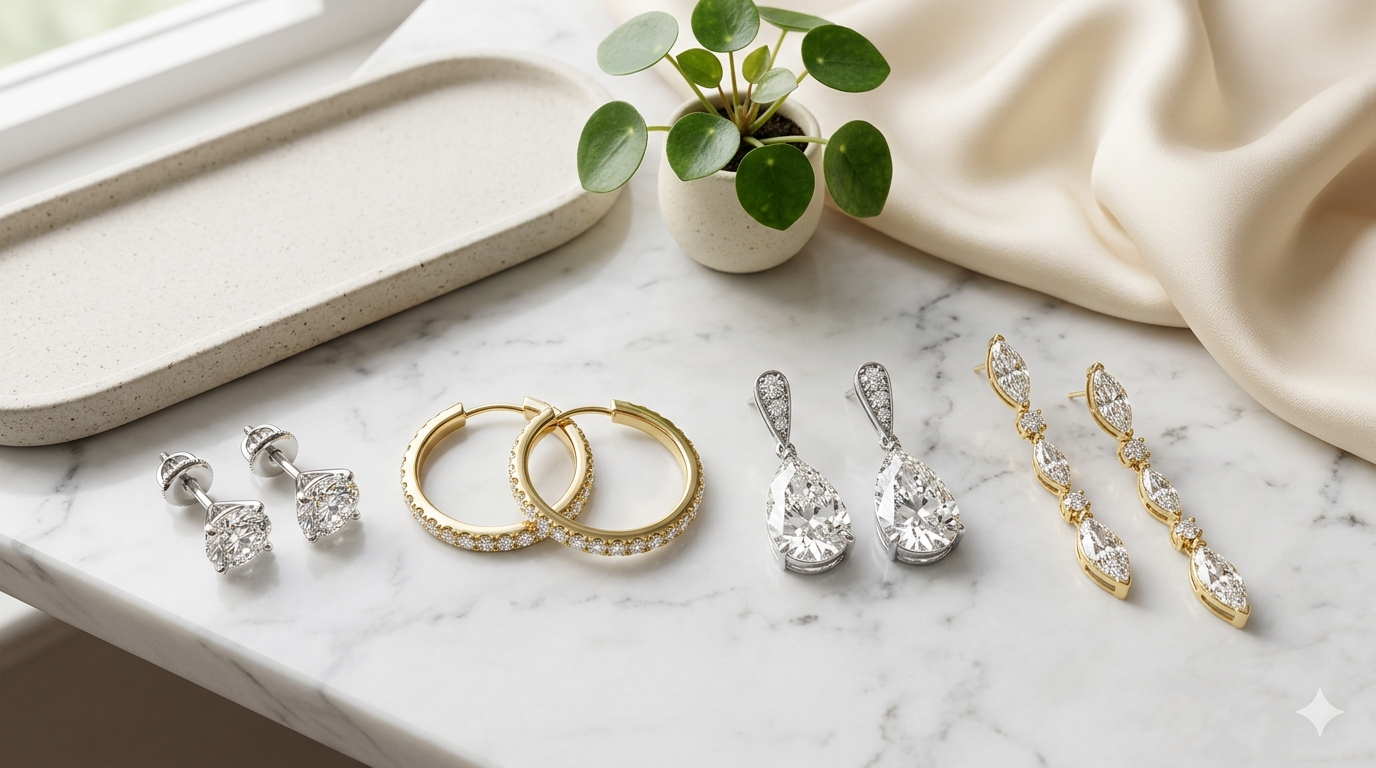
You can explore lab grown diamond earrings india for different designs and buying options, while checking each product's material details separately.
Before buying diamond earrings, check every metal part, not just the diamond or its setting.
An earring may have a gold setting but a post or backing made from a different metal. This is why checking the full material list is important.
Look closely at these parts:
Post: The part that goes through your piercing.
Backing: The part that holds the earring in place.
Setting: The part that holds the diamond.
Closure: The part used to secure the earring, such as a screw or hinge.
Butterfly backs, screw backs, and hinged closures can all have metal parts that touch your skin.
Ask your jeweler to confirm the material of each part in writing.
Be careful with unclear labels such as "alloy," "gold tone," or "hypoallergenic" when no metal details are given.
A seller should be able to explain what the earring is made of.
Use this simple checklist before placing an order:
What is the post material and grade?
What metal is used in the backing?
Is the earring solid metal or plated?
Is the entire piece nickel-free, including the post and backing?
Is there a clear return policy if the product causes irritation?
Illustrative buying example: Imagine two pairs of diamond studs with a similar design. One pair has clearly disclosed titanium posts and backing materials. The other pair has a gold-colored finish but does not mention its post material.
Even if the second pair costs more or has a larger diamond, it may not be the better choice for someone with sensitive ears.
The lesson is simple: check the materials before comparing the size, price, or sparkle of the diamond.
The best earrings for everyday use should feel comfortable from morning to evening.
A tight backing can press against your earlobe and cause pain or redness. Heavy earrings can also pull on your piercing.
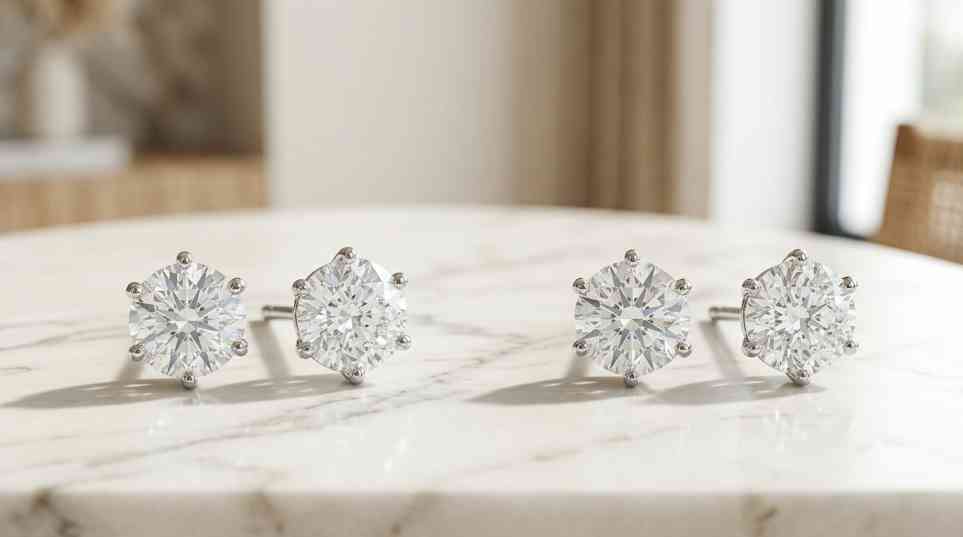
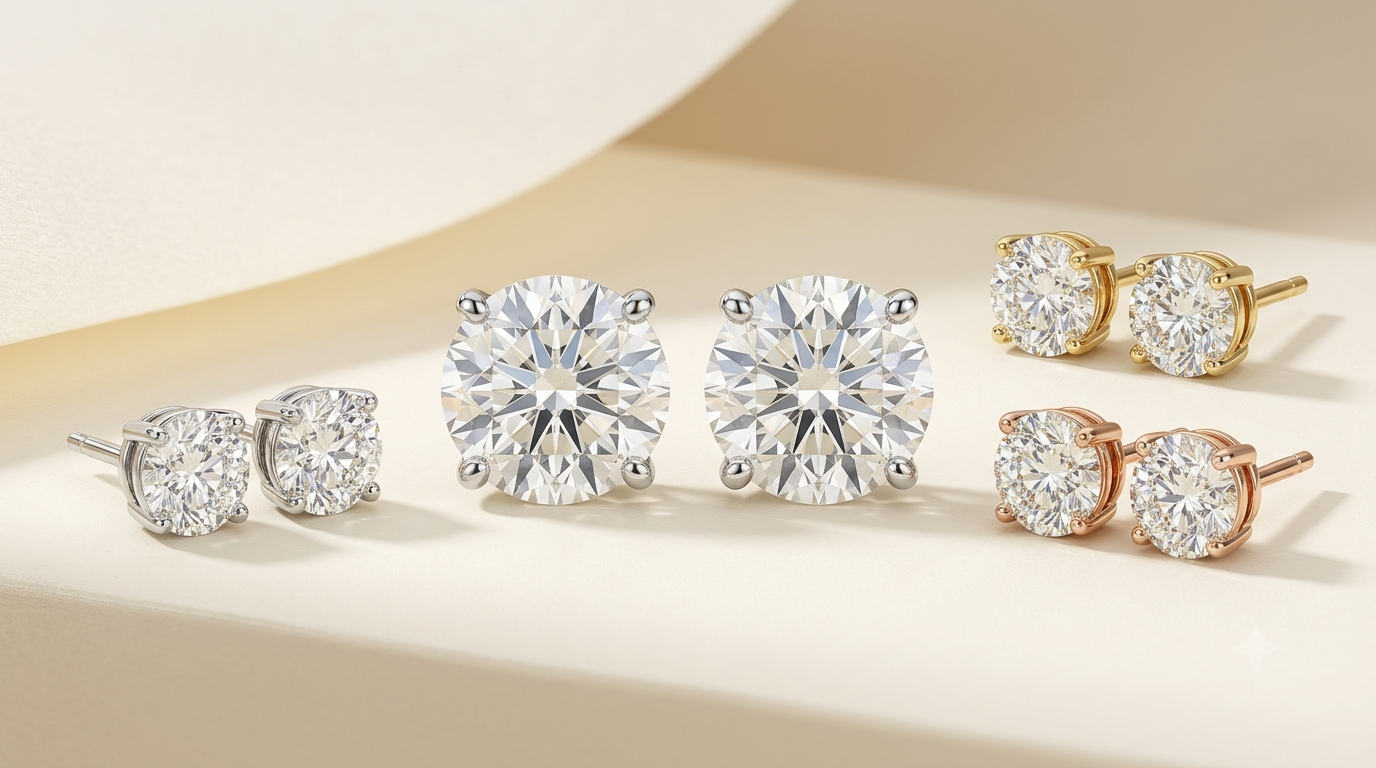
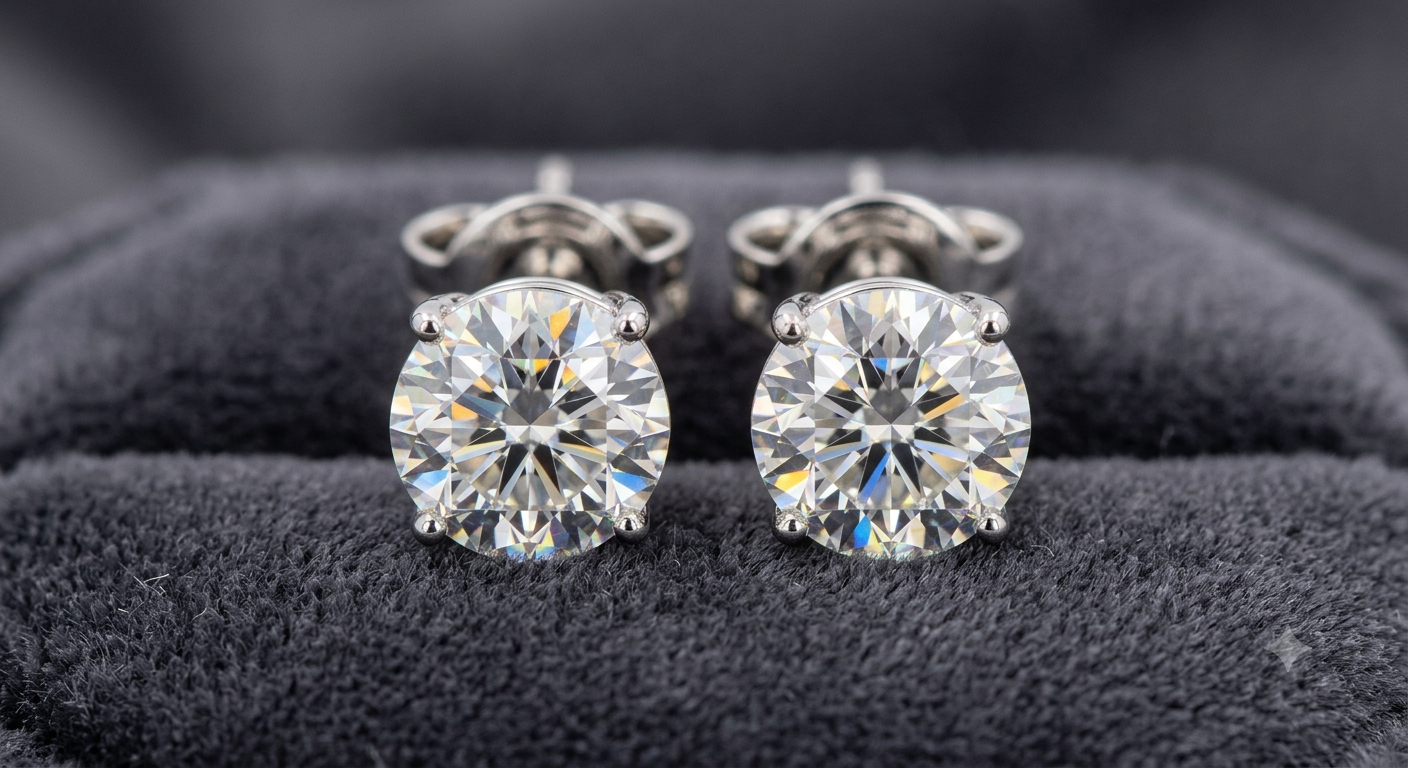
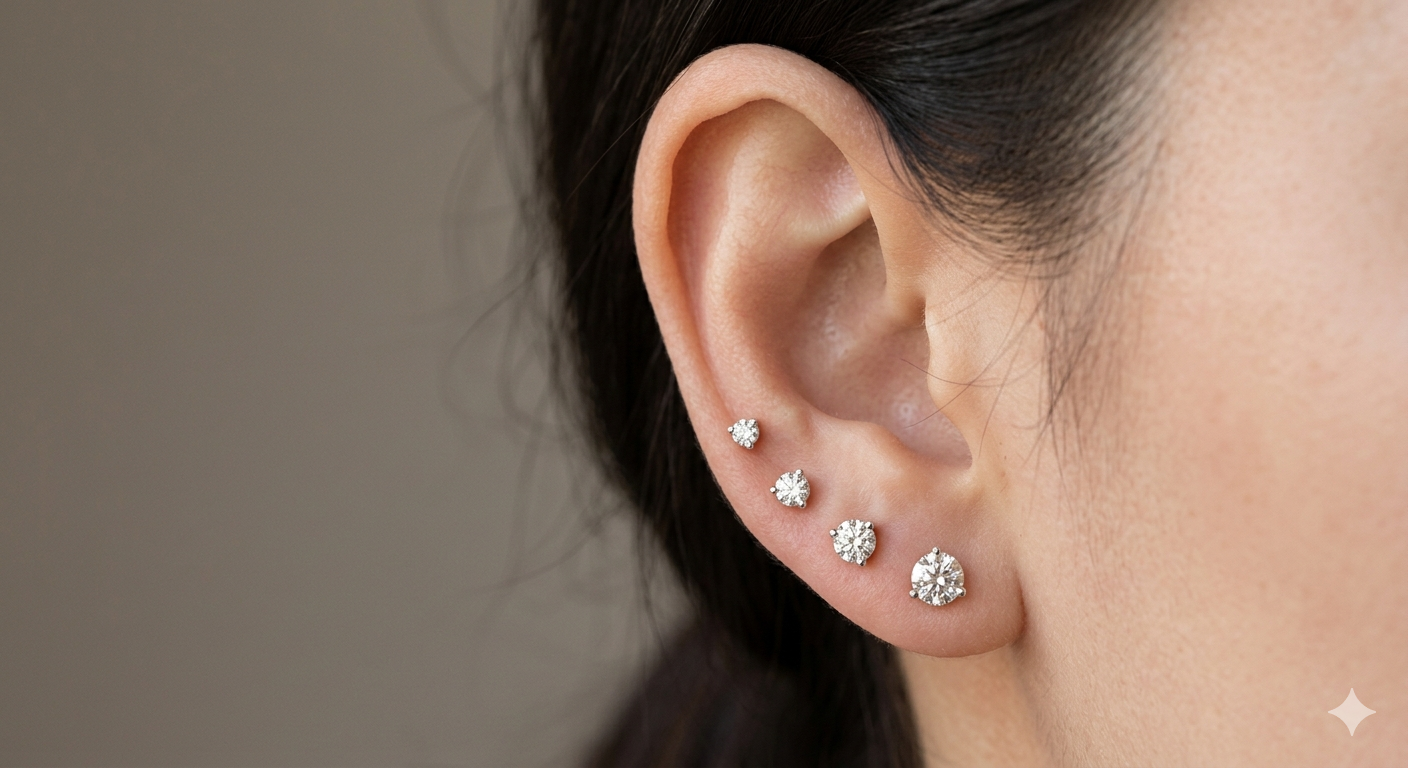
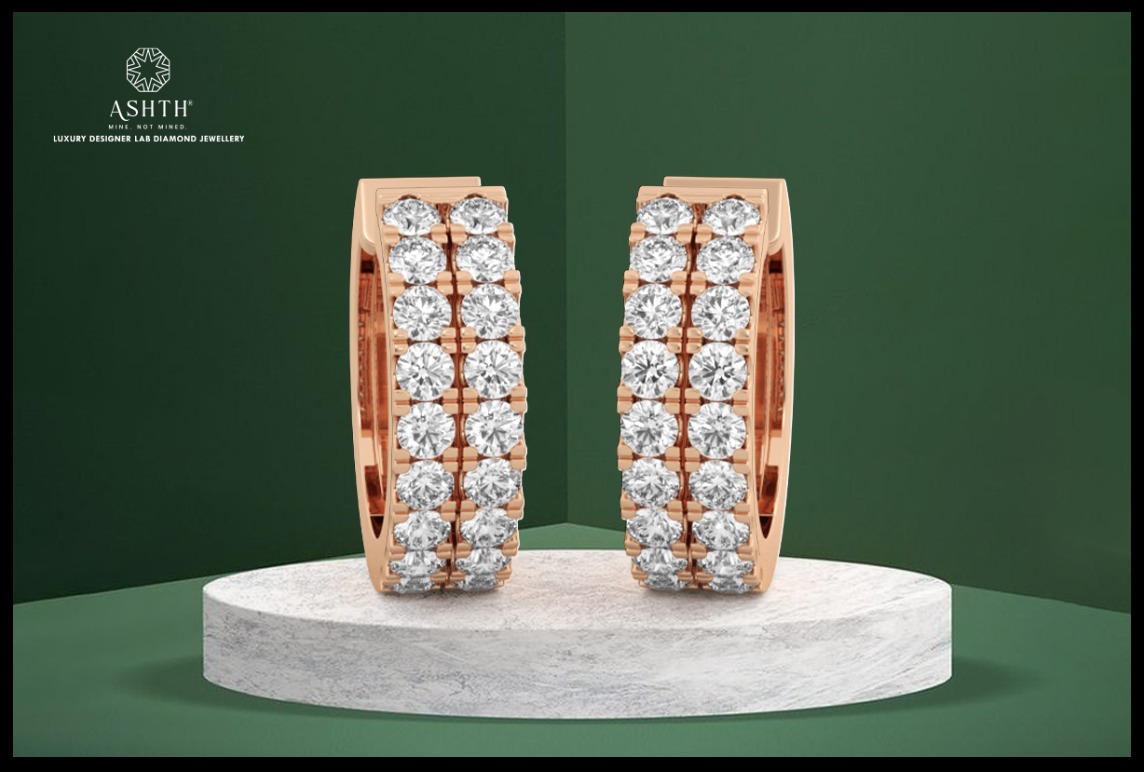
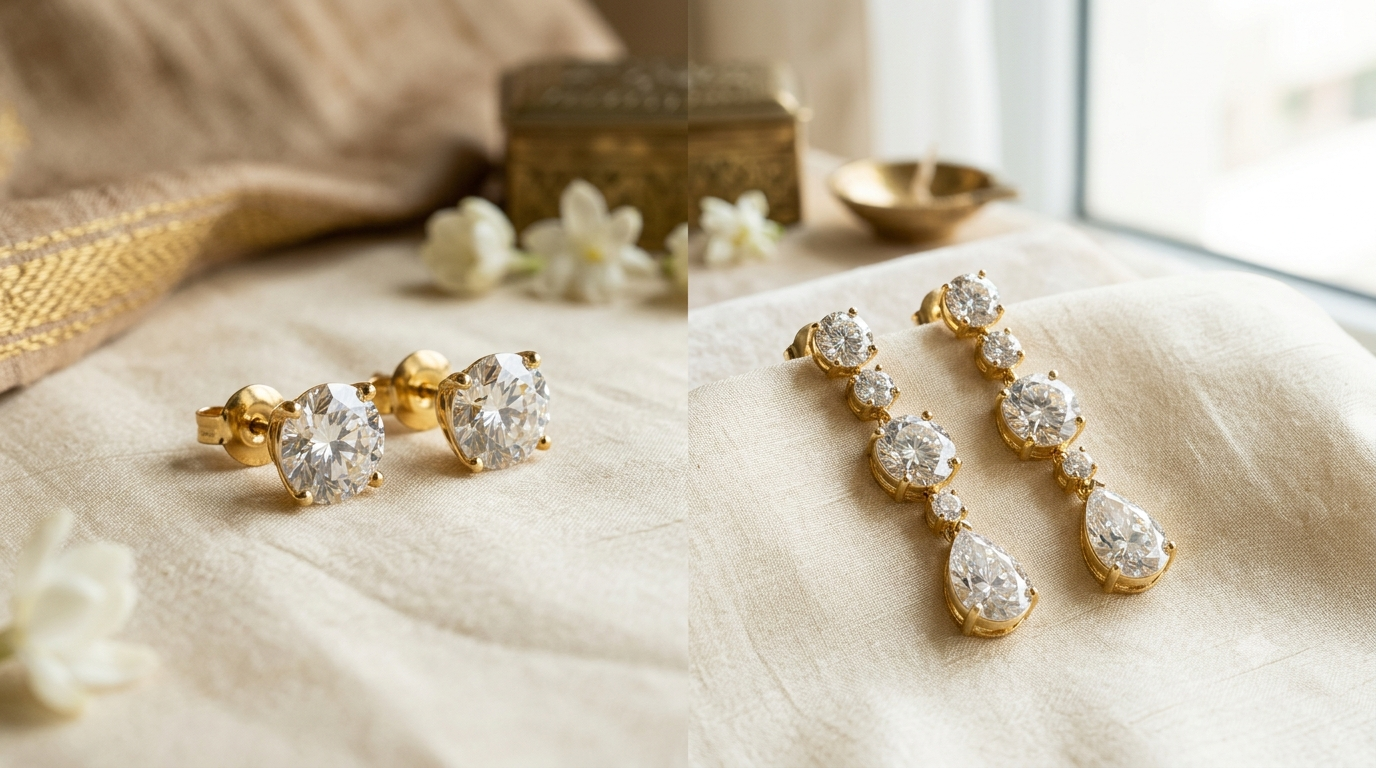
For daily wear, consider lightweight diamond studs with a comfortable fit.
Choose a backing that holds the earring securely without squeezing your ear. If the backing feels too tight, ask a jeweler to check the fit instead of forcing it into place.
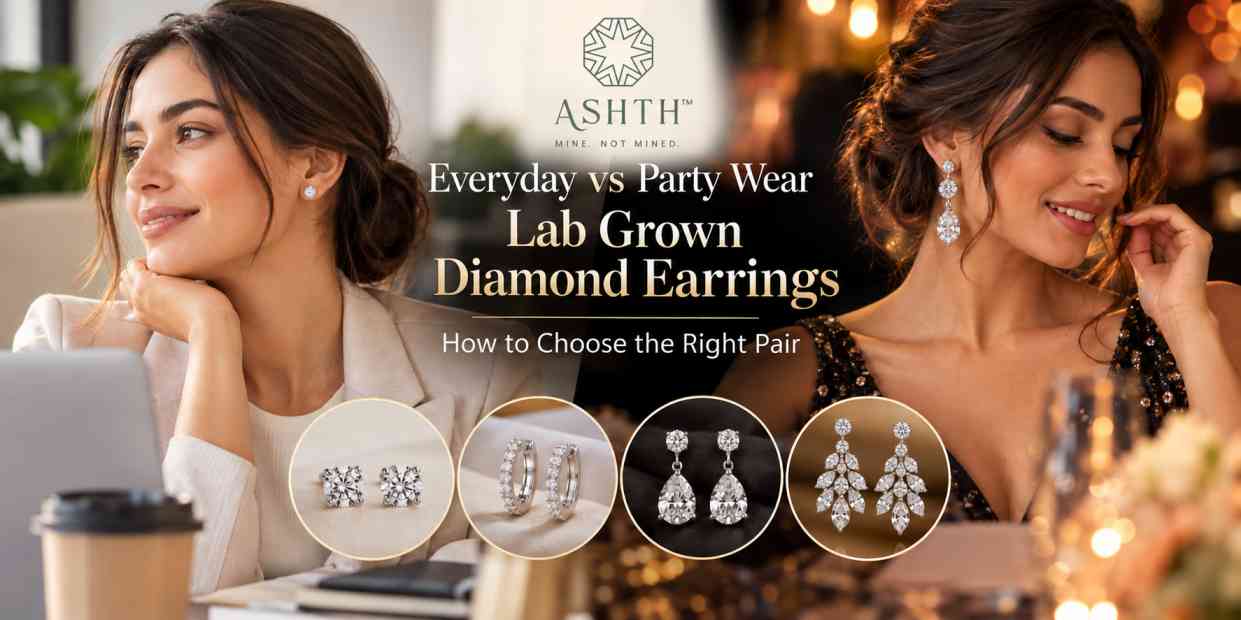
You can also explore two stone earrings if you prefer a different design. However, always check the weight, post material, and backing before buying.
If you enjoy earrings with more movement, learn How Drop Diamond Earrings Catch Light and Create Sparkle to understand their style appeal. For sensitive ears, remember that weight and fit matter more than appearance alone.
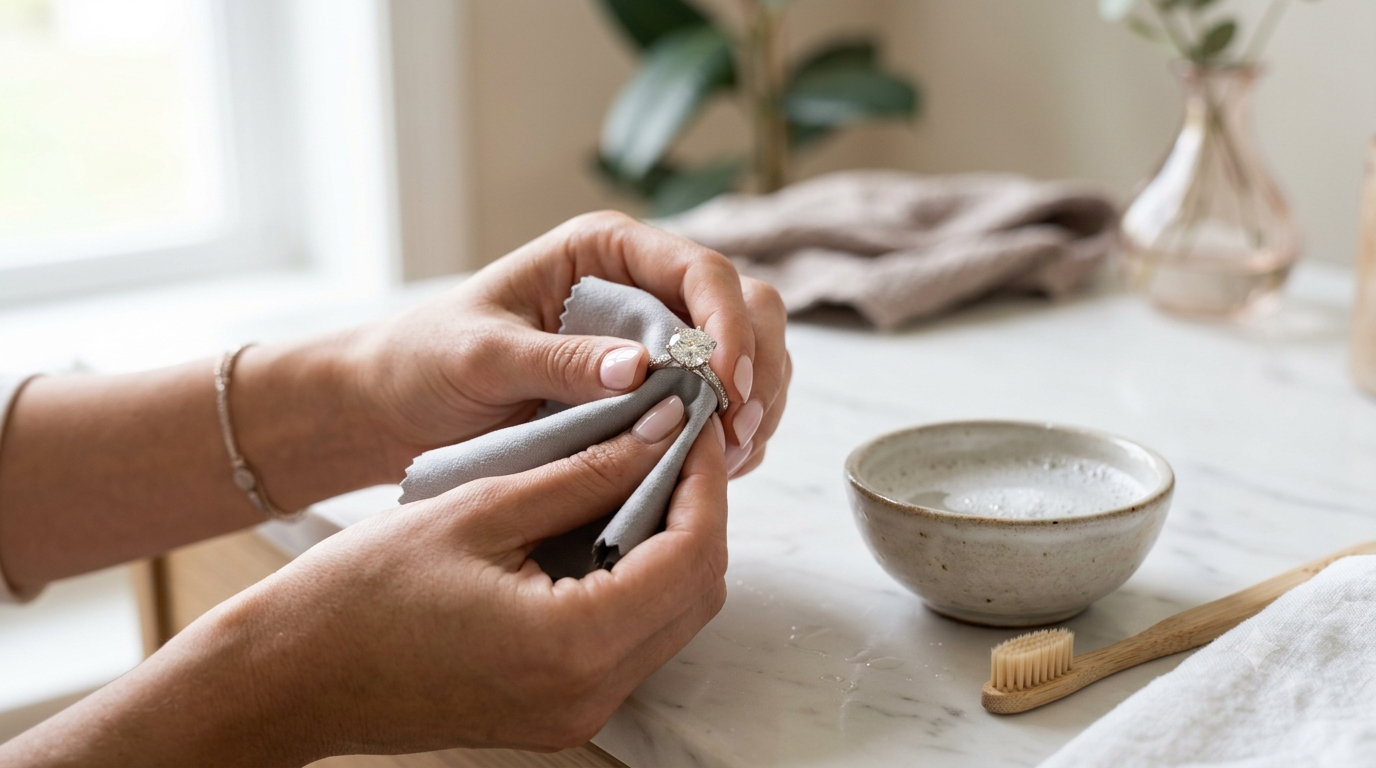
Good cleaning habits can help keep your earrings fresh and comfortable.
Follow these simple care tips:
Clean your earrings according to the jeweler's care instructions.
Dry them properly after cleaning.
Avoid sharing earring backs.
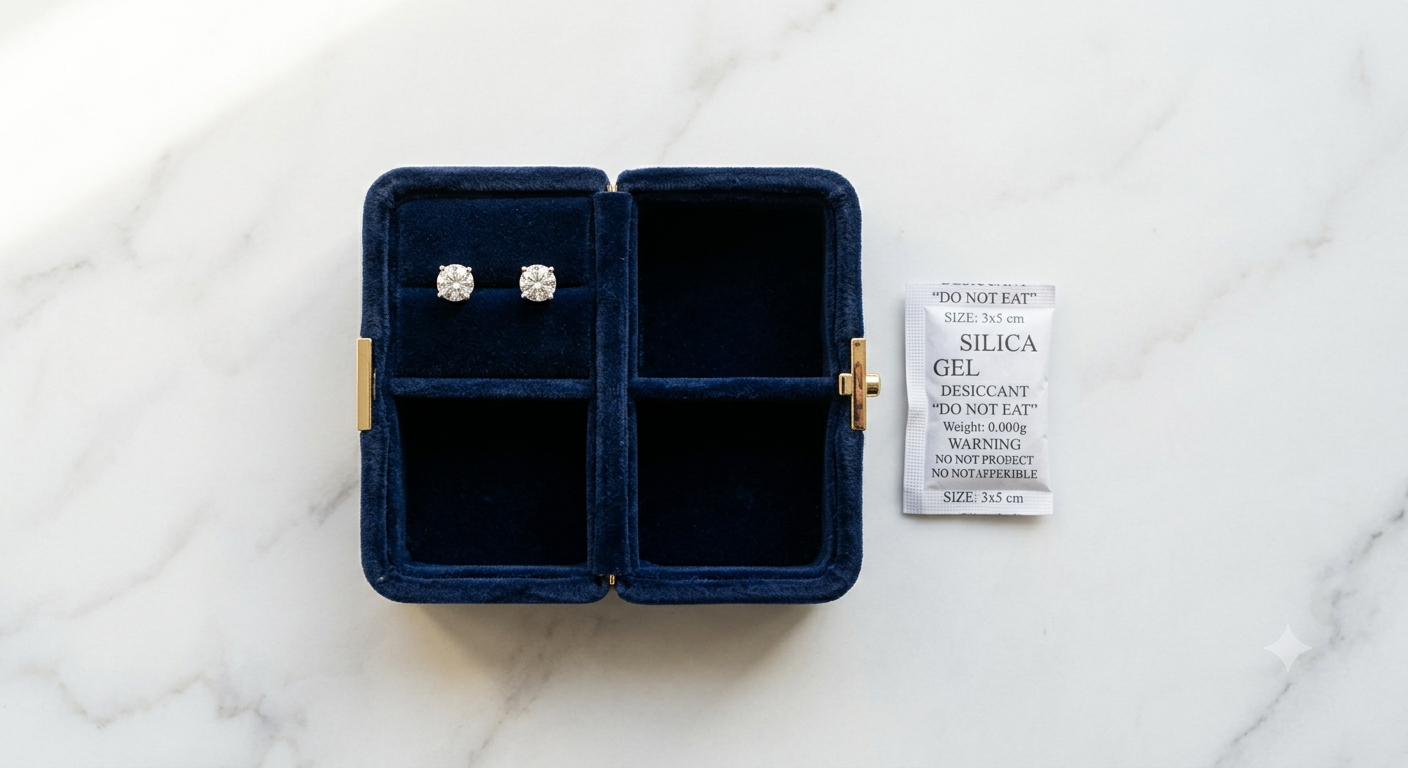
Store your earrings in a clean, dry place.
Avoid wearing earrings when they cause discomfort.
Cleaning can remove dirt, oil, and product buildup, but it cannot make an unsuitable metal safe for someone with an allergy.
If your piercing is new or healing, follow your clinician's or qualified piercer's aftercare instructions. Do not remove or change jewelry from a healing piercing without suitable professional guidance.
Pay attention to how your ears feel after wearing earrings.
Watch for these warning signs:
Persistent itching
Redness or a skin rash
Swelling or pain
Unusual discharge
Skin that feels hot or tender
Stop wearing earrings that cause a reaction. If you notice severe pain, spreading redness, fever, pus, or other signs of infection, seek prompt medical care.
For repeated reactions, a dermatologist may suggest patch testing. This test can help identify which metal or other material is causing the problem.
A little research before buying can help you avoid discomfort and unnecessary spending.
Before buying your next pair of diamond earrings, make sure you:
Confirm the post and backing materials.
Check the metal grade and alloy details.
Ask whether the earrings contain nickel.
Check whether the piece is solid or plated.
Choose a seller with a clear return window.
Keep your receipt and product details.
These small steps can make shopping easier, especially if you have experienced metal reactions before.
For many people with sensitive ears, verified implant-grade titanium, niobium, or a suitable, known gold alloy can be useful starting points.
However, no single metal works for everyone. Even metals that are often well tolerated can cause reactions in some people.
Also, remember that the term "hypoallergenic" is not a guarantee that a product will never cause irritation.
If you have a known metal allergy, choose jewelry based on your dermatologist's advice and the actual material details.
Check the material of your current earring posts and backs. If the seller cannot tell you what they are made of, consider choosing a better-documented pair.
The best daily wear diamond earrings are not always the biggest or most expensive ones. They are the earrings with clearly disclosed materials, a comfortable fit, and parts your skin can tolerate.
With the right information, you can enjoy beautiful diamond earrings while making comfort a priority.
Final takeaway: Before buying diamond earrings for sensitive ears, check the post, backing, setting, and fit. A beautiful pair should look good and feel comfortable, too.
The best diamond earrings for sensitive ears are those with skin-friendly, clearly disclosed materials. Verified implant-grade titanium, niobium, and suitable gold alloys may be good options. Always check the post and backing materials before buying.
Yes, diamond earrings can be a good choice for daily wear. Choose lightweight studs with comfortable posts and secure backings. Make sure the metal suits your skin and avoid wearing earrings that cause irritation.
Diamonds are rarely the cause of ear irritation. The metal, tight backing, friction, or trapped moisture may cause discomfort. Nickel allergy is one possible reason for itching, redness, or a rash.
Verified implant-grade titanium is often a good option for people with metal sensitivities. However, check the exact grade and material details rather than relying only on a product label.
Both 14k and 18k gold may suit some people with sensitive ears. The best option depends on the metals mixed with the gold. Some white gold alloys contain nickel, so always check the metal composition.


 Round
 Pear
 Heart
 PRINCESS
 Oval
 CUSHION
 EMERALD
 MARQUISE
 Asscher
 RADIANT
 Ashth CUT
 ROSE CUT
 BRIOLETTE
 SINGLE CUT
 TRAPEZIUM
 TULIP
 TRIANGLE
 BUTTERFLY
 FLOWER
 MOVAL
 CLOVER
 BAGUETTE
 9KT ASHTH CUT
 9KT MARQUISE
 9KT PEAR
 9KT RADIANT
 9KT EMERALD