Ashth - Where Exceptional Craftsmanship Defines Modern Luxury !

- Rings
- Earrings
Shop By Category
- Bangles/ Bracelets
Shop By Category
- Necklaces
Shop By Category
- Pendants
Shop By Category
- ASHTH LITE
Shop By Category
.jpg)
- Collections
Collections

Shop By Category
Shop By Category
Shop By Category
Shop By Category
Shop By Category
Collections
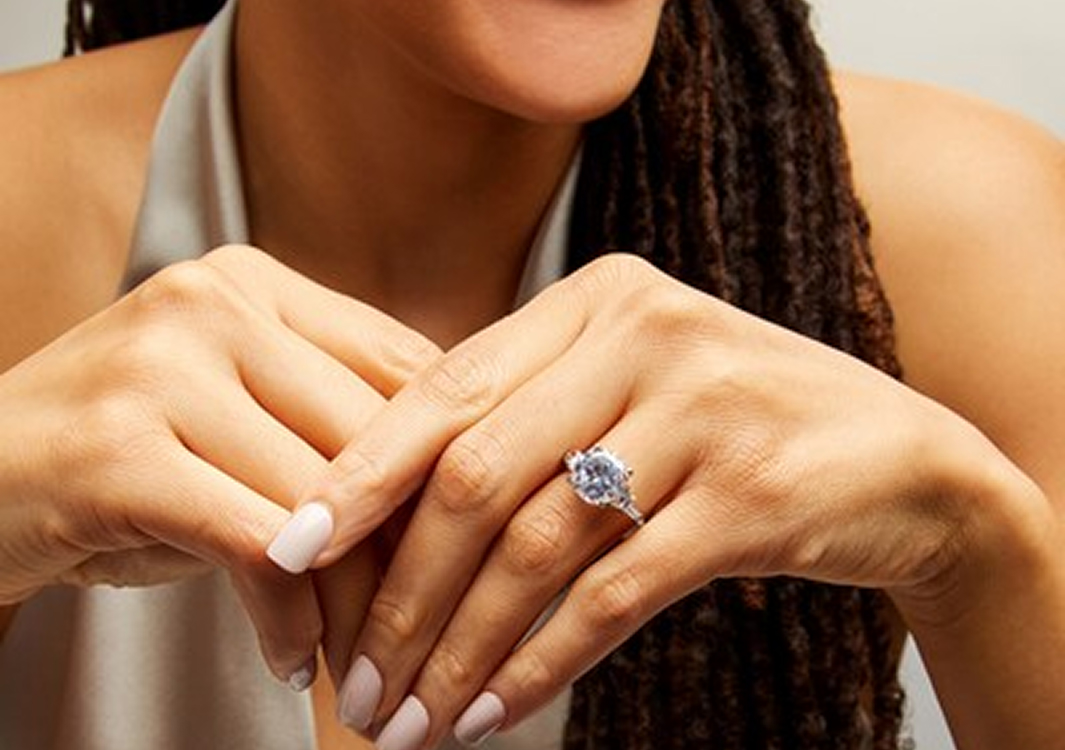
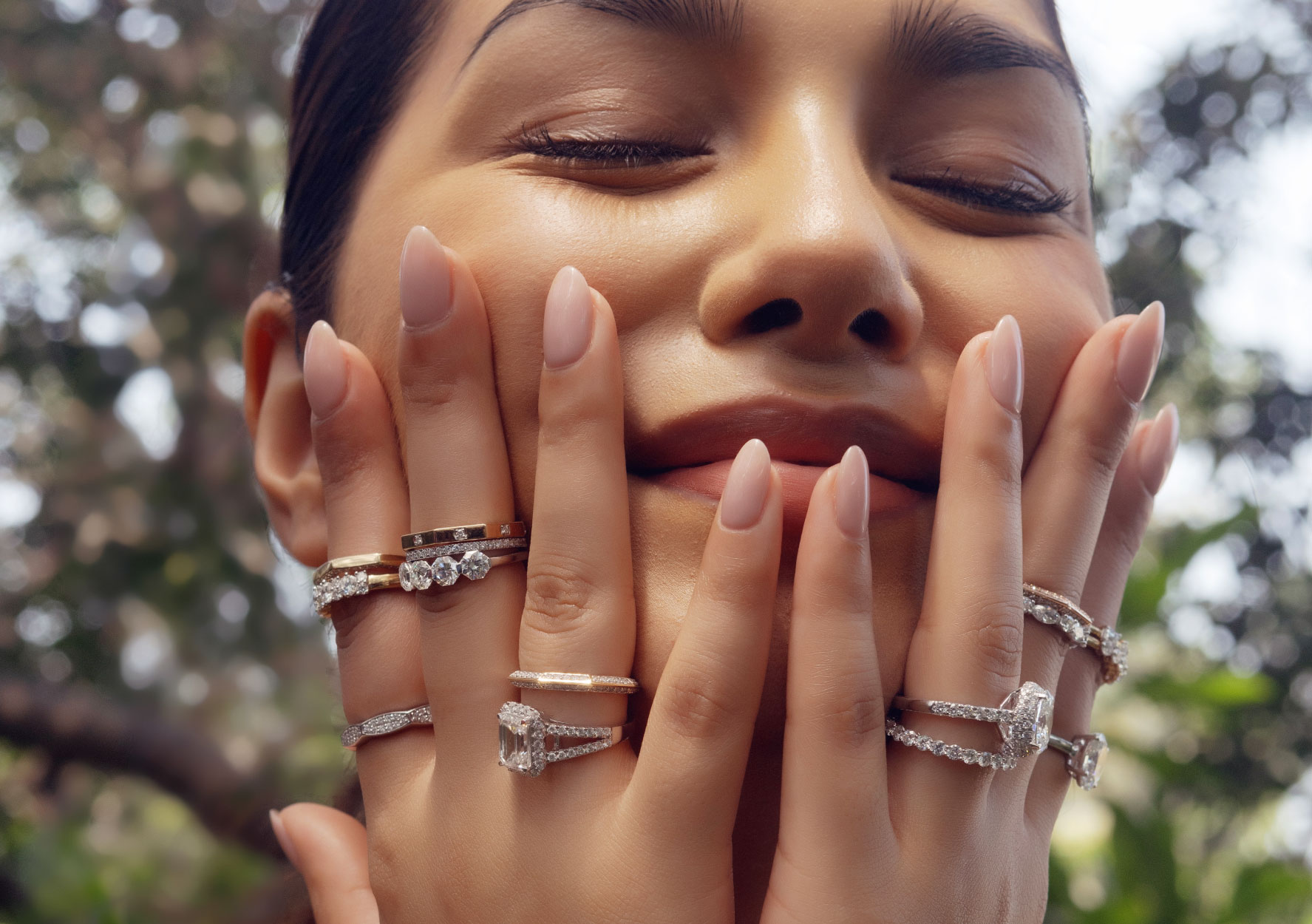
A diamond ring can lose its sparkle long before the diamond itself has any real problem. Daily oils from your skin, hand lotion, soap, makeup, dust, and other products can leave a thin film over the stone. This film can block light from entering and reflecting through the diamond, making it look dull.
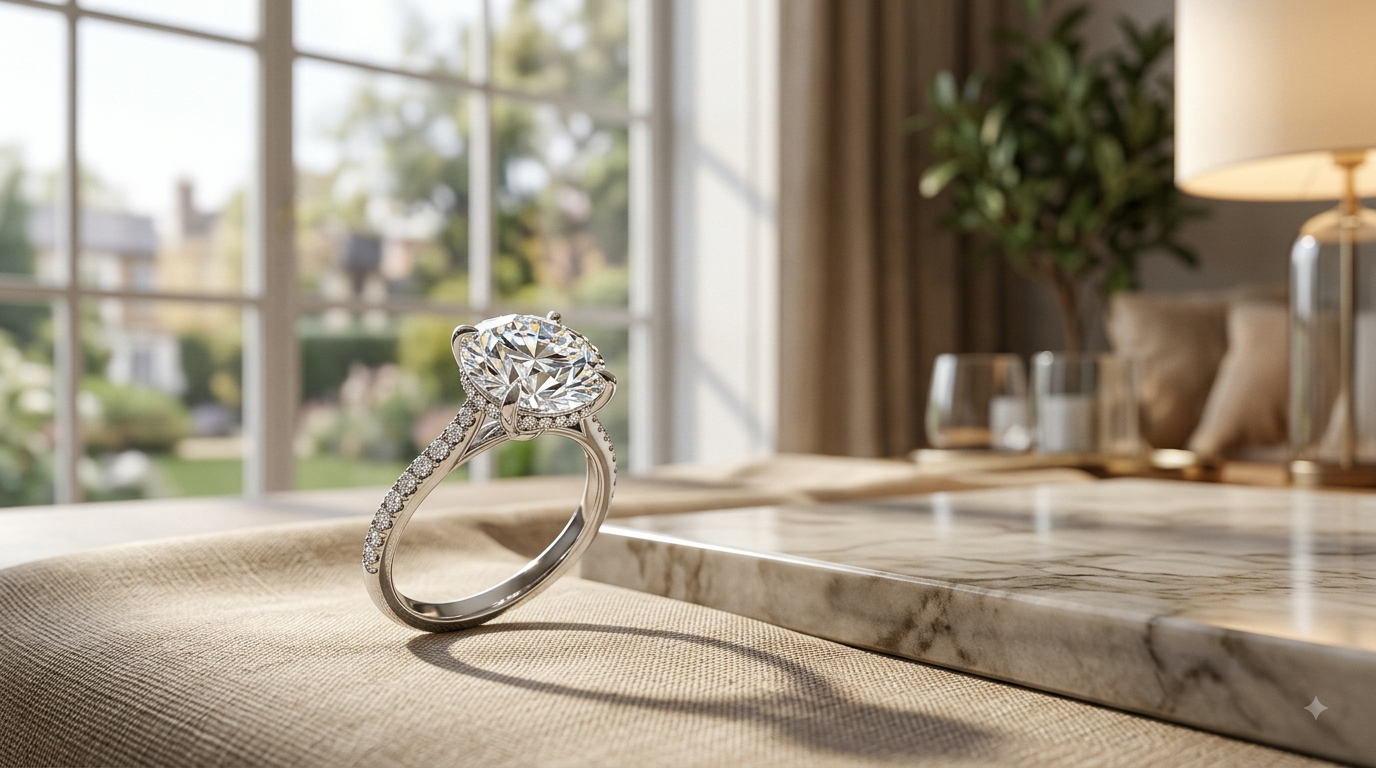
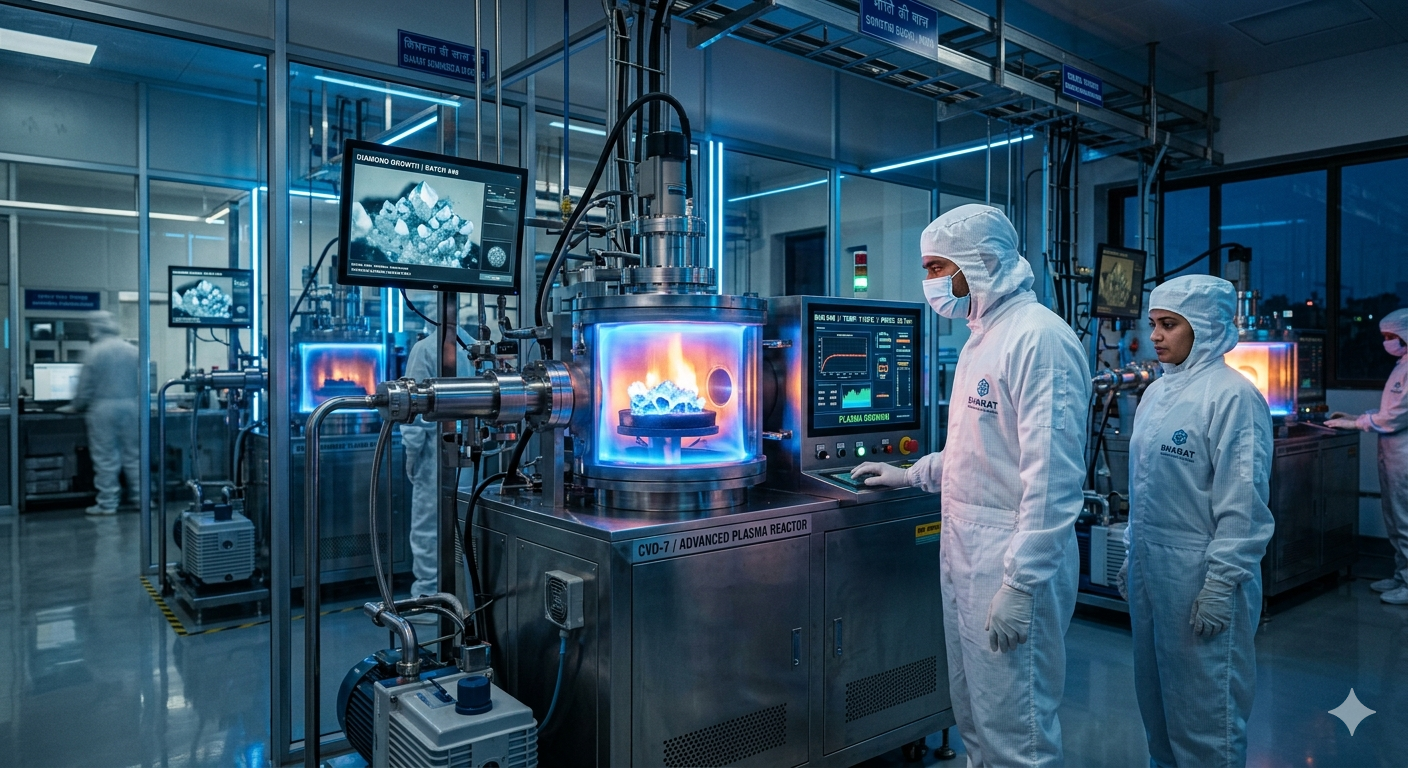
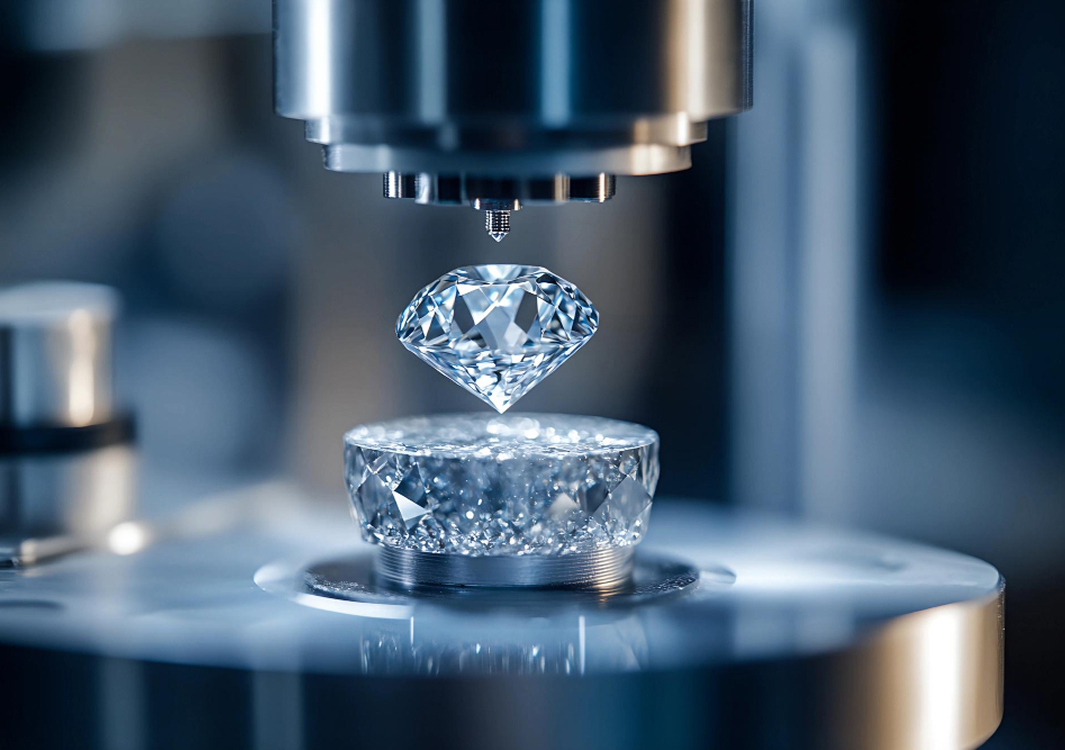
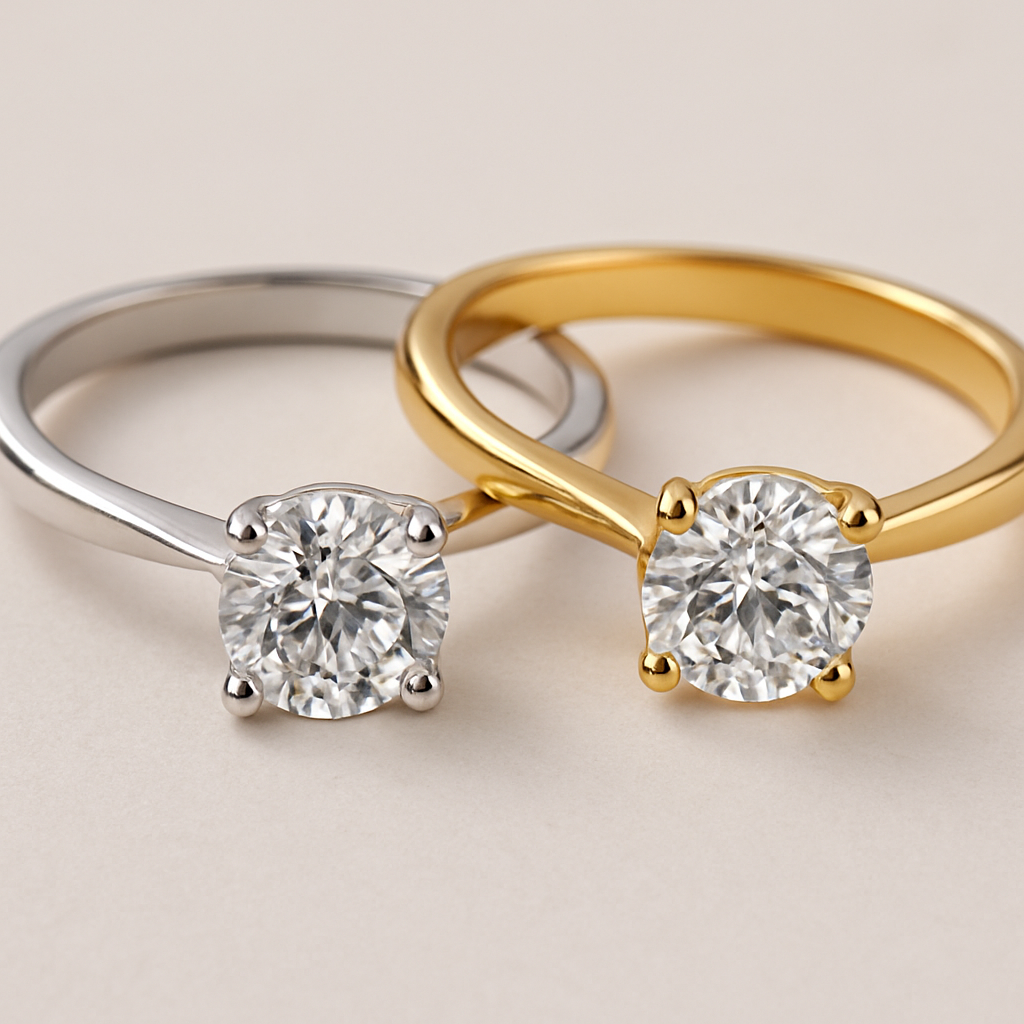
The good news is that caring for Lab Grown Diamond Rings is simple. Lab grown diamonds have the same crystal structure, chemical makeup, and hardness as mined diamonds. Both rank 10 on the Mohs hardness scale, which is the highest rating for natural minerals.
However, hardness does not mean a diamond is impossible to damage. It can still chip from a strong impact, while the metal setting can bend, scratch, or become loose.
With a few simple habits, you can protect your diamond, setting, and ring finish for many years.
Regular cleaning is one of the easiest ways to keep your ring bright. If you wear your ring every day, a gentle weekly cleaning can help remove oils and product buildup.
You do not need expensive cleaning products to clean a diamond ring at home.
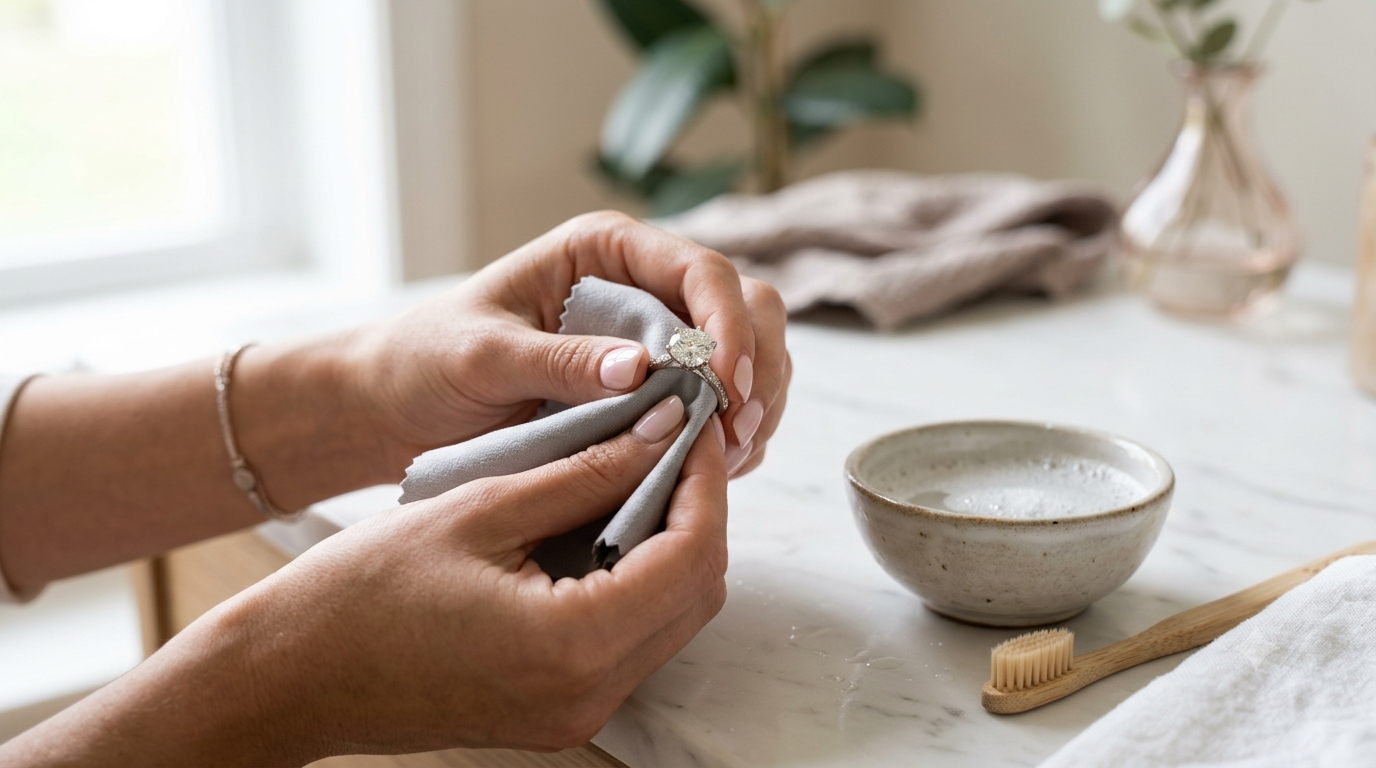
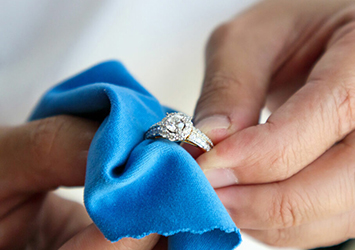
Start by filling a small bowl with warm water and adding a few drops of mild dish soap. Place the ring in the water and let it soak for about 10 to 20 minutes.
Next, use a soft, clean toothbrush to gently brush around the diamond, prongs, and underside of the setting. Dirt often collects in these small areas.
Rinse the ring carefully over a bowl rather than directly over an open sink. This simple step can prevent an accidental loss down the drain.
Finally, dry the ring with a soft, lint-free cloth.
If you do not wear your ring every day, you may only need to clean it after use or whenever you notice a layer of dirt or oil.
Never assume that a hard diamond makes the entire ring resistant to damage. The metal setting also needs protection.
Avoid cleaning your ring with:
Bleach or chlorine
Strong household cleaners
Abrasive powders
Toothpaste
Rough brushes
Paper towels that can leave lint or scratch some metal surfaces
Chlorine deserves special attention because repeated exposure can affect some gold alloys over time.
A useful rule from a qualified jewelry professional is: “The diamond may be hard, but the setting still needs gentle care.” Know When Professional Cleaning Makes Sense
A professional cleaning once or twice a year can give your ring more than just extra shine. Ask your jeweler to inspect the ring at the same time.
They can check the:
Prongs and claws
Bezel edges
Band
Area beneath the diamond
Overall setting
Be careful with ultrasonic and steam cleaning. These methods can be safe for some rings, but they may loosen a weak setting or make an existing problem worse.
Always ask for a setting check before using ultrasonic or steam cleaning.
Cleaning can restore shine, but it cannot repair damage caused by a hard impact. One of the best ways to care for your ring is knowing when to take it off.
Take off your ring before activities such as:
Washing dishes
Using bleach or strong cleaners
Gardening
Lifting weights
Moving furniture
Repairing equipment
Swimming in a chlorinated pool
Repeated knocks can bend prongs or damage the setting. Although diamonds are extremely hard, they can still chip or break after a sharp blow because hardness and toughness are not the same thing.
This is especially important if your ring has a design that leaves part of the diamond exposed.
Hand cream, sunscreen, perfume, hair spray, and body oils can create a cloudy layer on your diamond.
A simple habit can help: apply these products first and allow them to dry before putting your ring on.
If you use hand sanitizer or sunscreen while wearing your ring, wipe it with a soft cloth afterward.
For example, imagine noticing that your diamond looks cloudy after several weeks of using sunscreen every day. The diamond itself may be perfectly fine. A warm, soapy wash can remove the film sitting on its surface and bring back much of its shine.
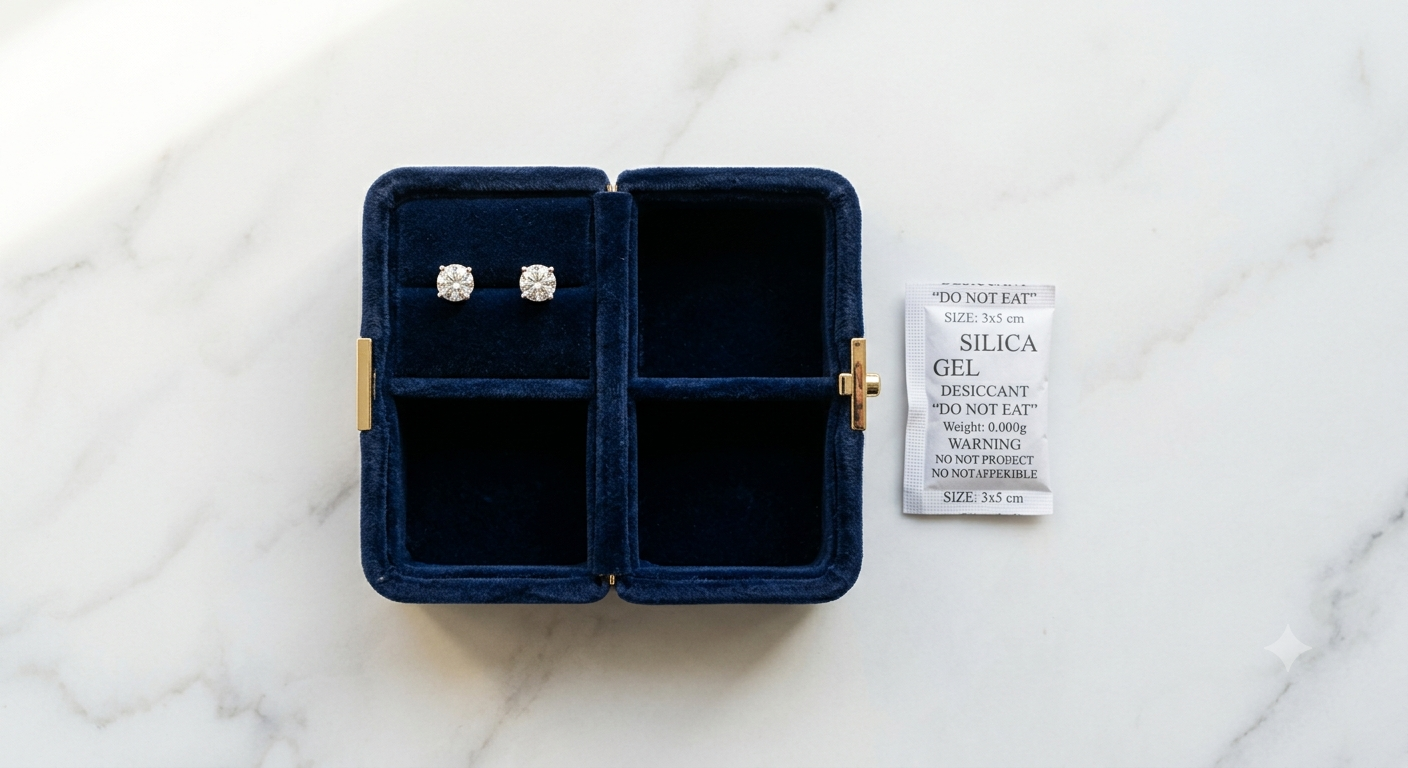
When you remove your ring, give it a safe home.
Use a lined jewelry box with a separate space for the ring. Keeping it away from other jewelry can reduce scratches and prevent chains or other pieces from catching on the prongs.
For travel, use a small jewelry case with a secure closure.
Avoid leaving your ring:
Beside a sink
On a bathroom ledge
In an open pocket
Loose in a handbag
A simple rule works well: keep one regular storage spot for your ring. This makes it easier to protect and find.
The diamond gets most of the attention, but the setting is just as important. A beautiful diamond can still be lost if its prongs become weak.
Every few weeks, gently run a clean fingertip over the prongs. You are looking for anything that feels different from normal.
Watch for:
A loose diamond
Bent or worn prongs
An edge that catches on clothing
A cracked band
A visible gap beneath the stone
If the diamond moves or the ring keeps catching on fabric, stop wearing it and have it checked by a jeweler.
Do not try to bend a loose prong back into place yourself. A small mistake can make the problem worse.
The care your ring needs also depends on its metal.
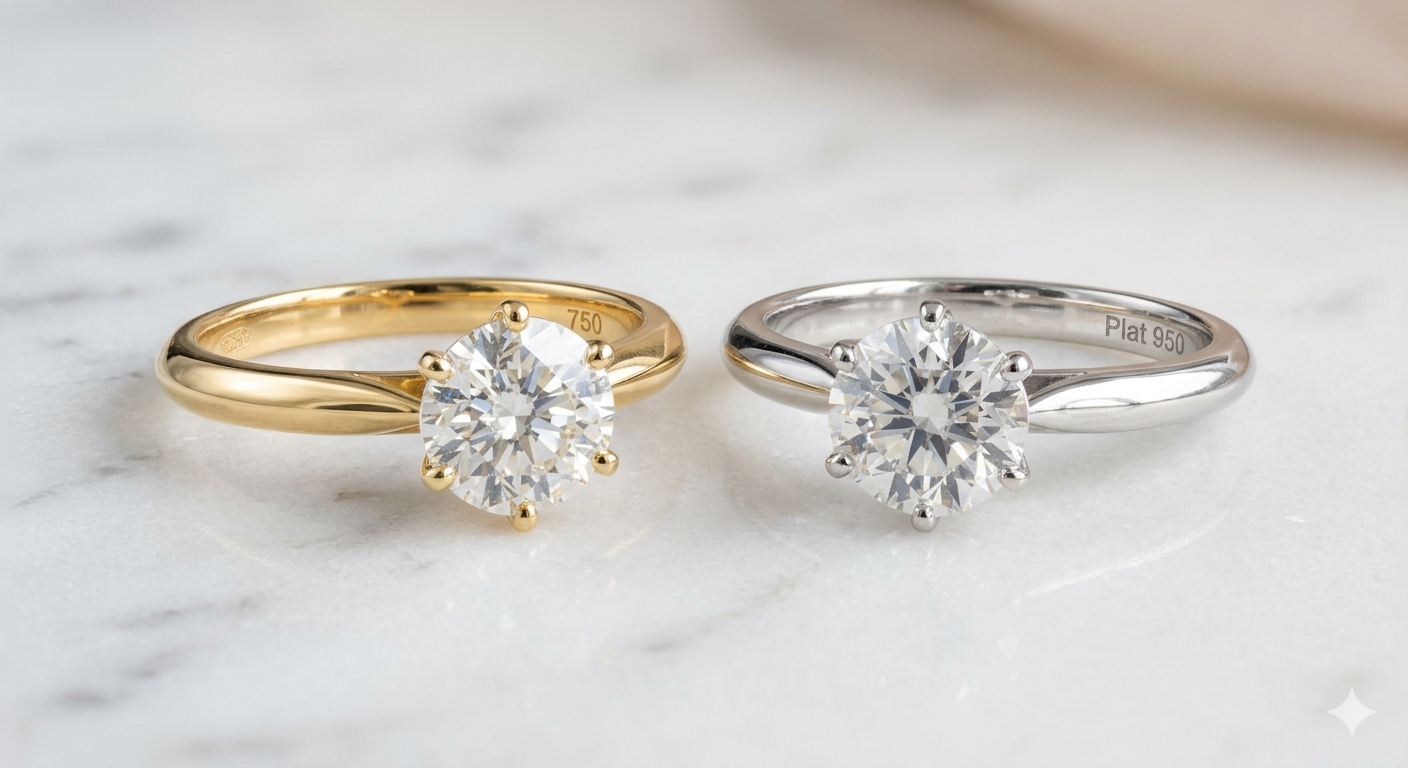
Platinum can develop a soft patina over time, while gold can develop scratches, especially around thin edges. White gold may also need new rhodium plating from time to time to maintain its bright appearance.
Your jeweler can tell you when polishing, plating, or other maintenance is appropriate.
For example, if someone catches a prong on a sweater, it may seem like a minor issue. But a jeweler could find early prong wear and tighten the setting before the diamond becomes loose. Fixing the small problem early can help prevent a much bigger loss.
Consider having your ring inspected before travel, a wedding, an outdoor trip, a major house project, or any long period of heavy daily wear.
For a frequently worn ring, a professional inspection every six to twelve months is a useful routine.
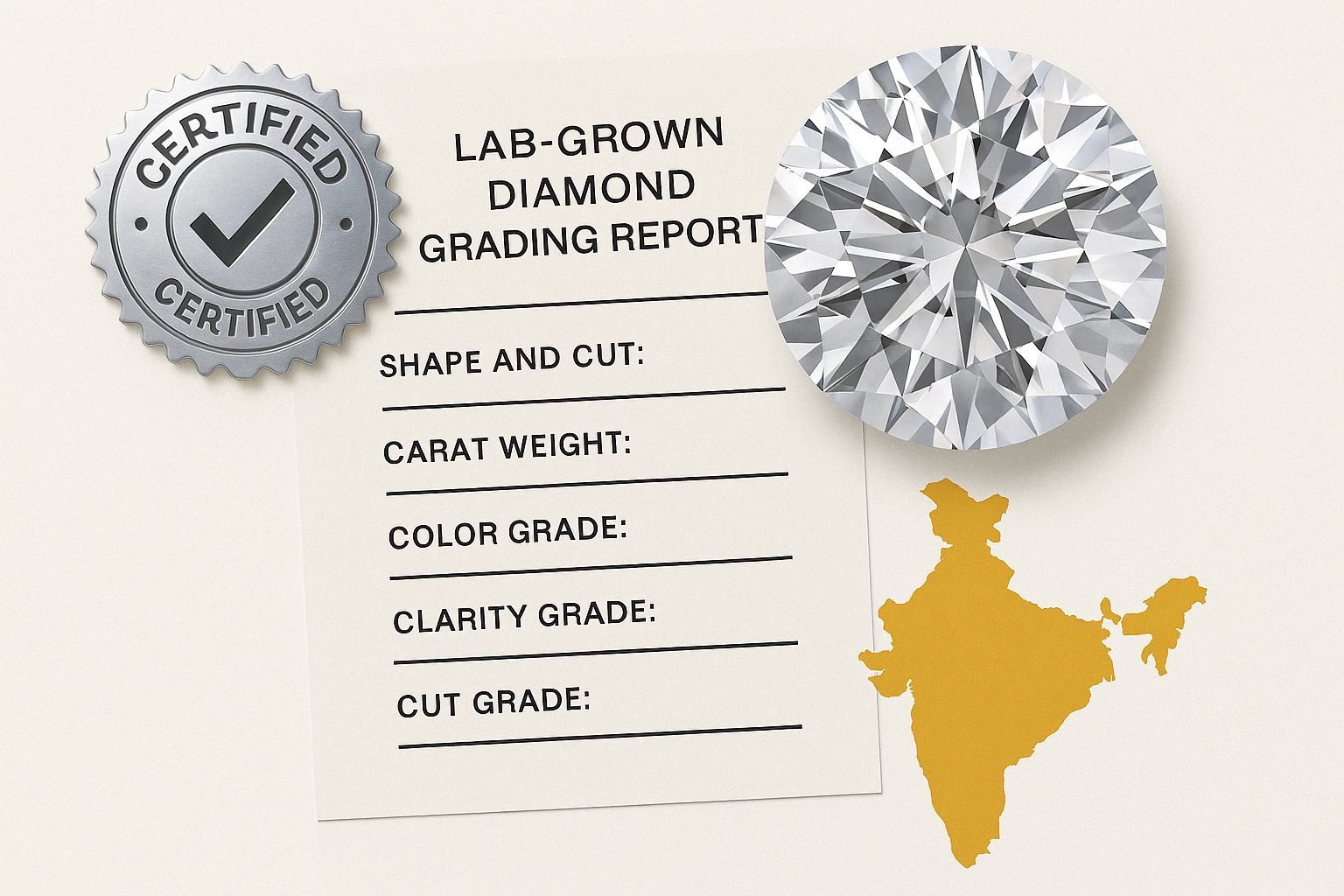
Keep your purchase receipt, repair records, and diamond grading report in a safe place. A small repair is usually much easier to deal with than losing a diamond or rebuilding a damaged setting.
The best care routine is one you can follow easily.
Daily: Wipe away oils with a soft cloth and check for visible dirt or unusual movement.
Weekly: Clean the ring with warm water, mild soap, and a soft toothbrush if you wear it regularly.
Monthly: Look over the prongs, band, and underside of the ring. Also clean the jewelry storage case.
Every six to twelve months: Arrange a professional inspection and ask whether the ring needs polishing, rhodium plating, or repairs.
Some people need to remove their rings more often than others.
If you are a nurse or health worker, fitness enthusiast, gardener, parent, or someone who works with tools, your ring may face more water, chemicals, dirt, or impact.
Keep a small ring dish in useful places, such as near the kitchen, at work, or beside your bed. This makes removing the ring before a risky activity much easier.
In many cases, preventing damage is better than trying to clean the ring afterward.
Good care also includes keeping important documents.
Store your:
Purchase receipt
Diamond grading report
Appraisal documents
Repair records
Clear photos of the ring
Insurance coverage can vary, so check whether your policy covers loss, theft, accidental damage, and travel.
If the ring has a major repair or its value changes, consider whether an updated appraisal is needed. Lab grown diamonds can have different replacement values from mined diamonds, so accurate records are useful when reviewing coverage.
It does not.
Lab grown diamonds need the same basic cleaning and care as mined diamonds. Both are made of carbon and have the same diamond crystal structure.
The main differences in care usually come from the ring's metal, setting, design, and how often you wear it.
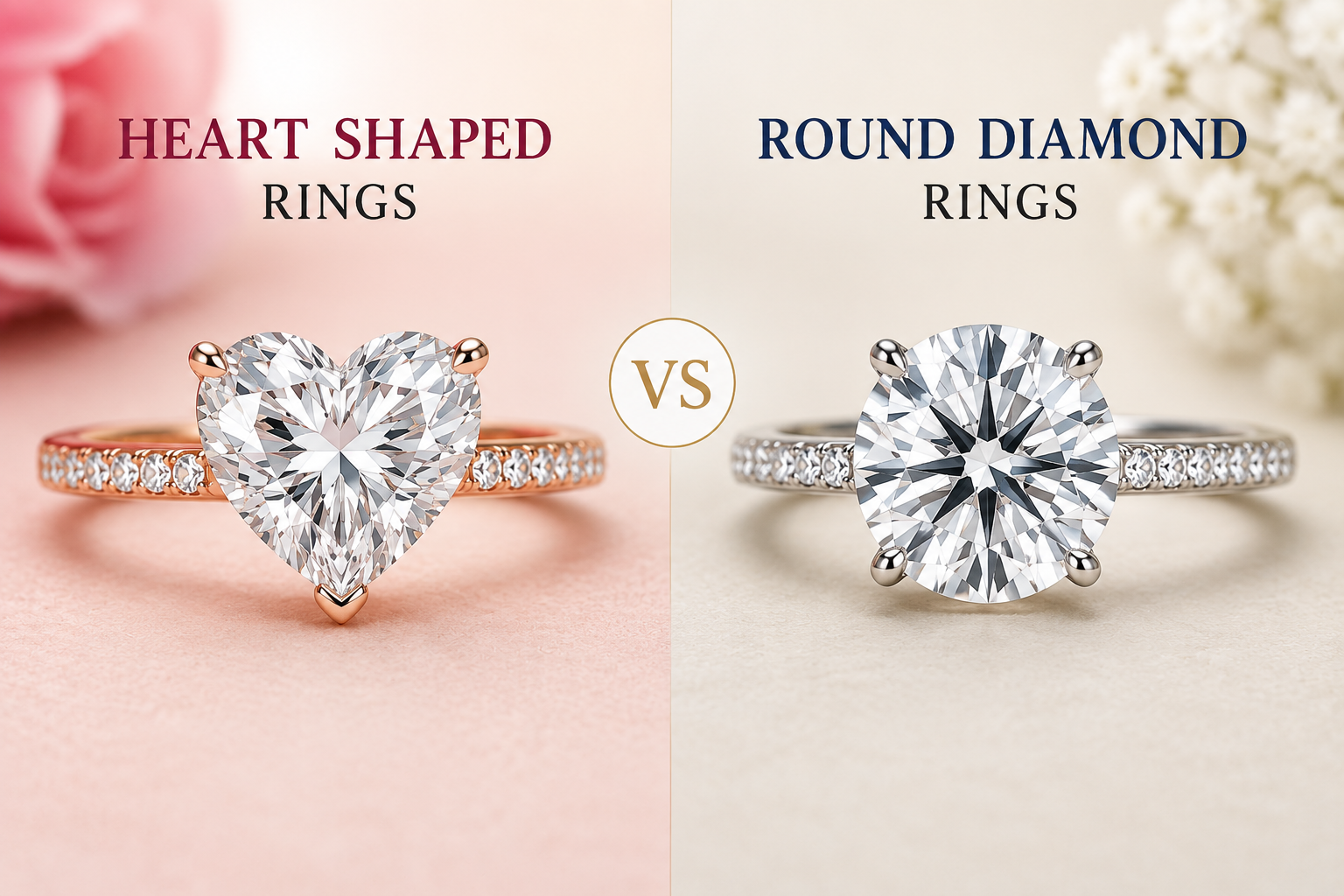
Whether you choose a cocktail diamond ring, lab diamond engagement rings, solitaire diamond rings for women, or another style, gentle cleaning and good daily habits remain important.“A Diamond Cannot Break”
This is one of the most common diamond myths.
Hardness means resistance to scratching. Toughness refers to resistance to breaking or chipping.
Diamonds have excellent hardness, but they can still chip after a sharp or heavy impact. This is why wearing a ring during weightlifting, home repairs, or other impact-heavy activities is not a good idea.
Cleaning only removes surface dirt and buildup. It cannot repair physical damage.
If your ring still looks dull after a careful wash, the problem could be:
A loose setting
A chipped diamond
Scratched metal
A worn rhodium finish
Dirt trapped beneath the setting
If the ring looks unusual or the diamond feels loose, stop cleaning it and ask a jeweler to inspect it.
Caring for Lab Grown Diamond Rings does not have to be difficult.
Clean your ring gently. Remove it before risky activities. Keep lotions and chemicals away when possible. Store it separately, check the setting regularly, and arrange professional inspections every six to twelve months if you wear it often.
Remember that sparkle comes from more than the diamond itself. A clean stone and a secure, well-maintained setting work together to keep your ring looking beautiful.
With simple habits and regular care, your lab grown diamond ring can stay bright, secure, and meaningful for years to come.


 Round
Round Pear
Pear Heart
Heart PRINCESS
 Oval
Oval CUSHION
 EMERALD
 MARQUISE
 Asscher
 RADIANT
 Ashth CUT
 ROSE CUT
 BRIOLETTE
 SINGLE CUT
 TRAPEZIUM
 TULIP
TULIP TRIANGLE
 BUTTERFLY
 FLOWER
 MOVAL
MOVAL CLOVER
 BAGUETTE
 9KT ASHTH CUT
 9KT MARQUISE
 9KT PEAR
 9KT RADIANT
 9KT EMERALD