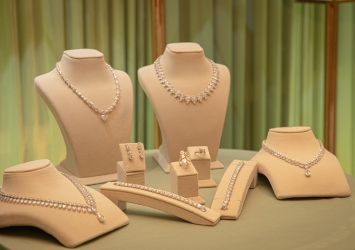
Ashth - Where Exceptional Craftsmanship Defines Modern Luxury !

- Rings
- Earrings
Shop By Category
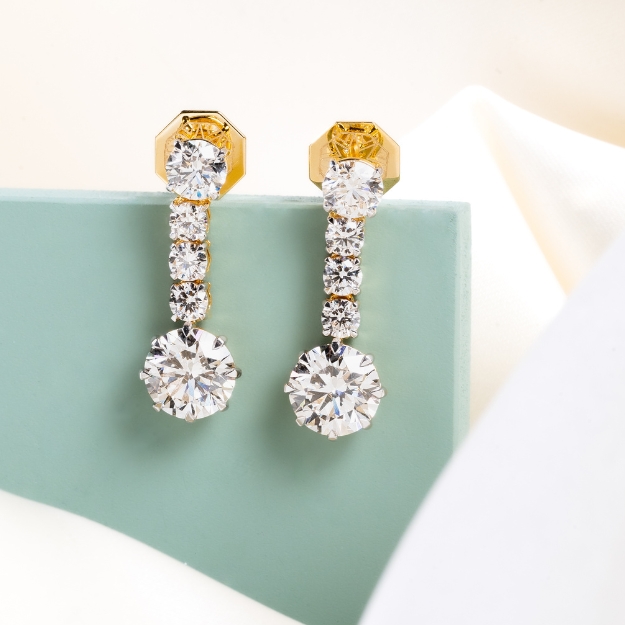
- Bangles/ Bracelets
Shop By Category
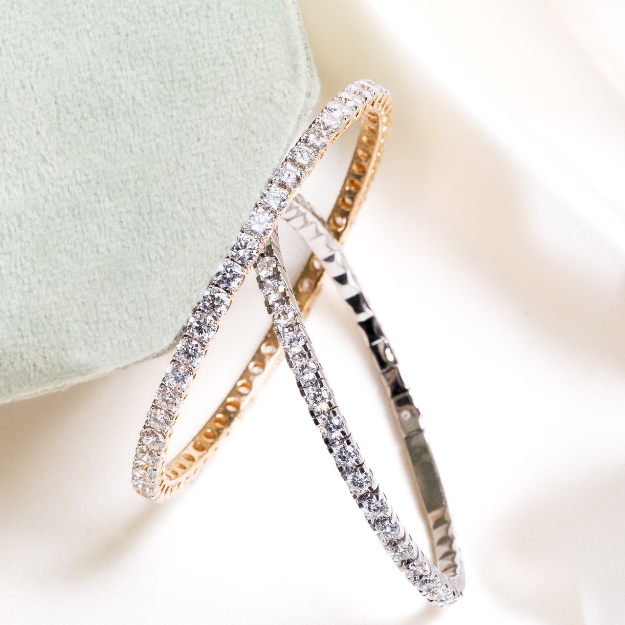
- Necklaces
Shop By Category
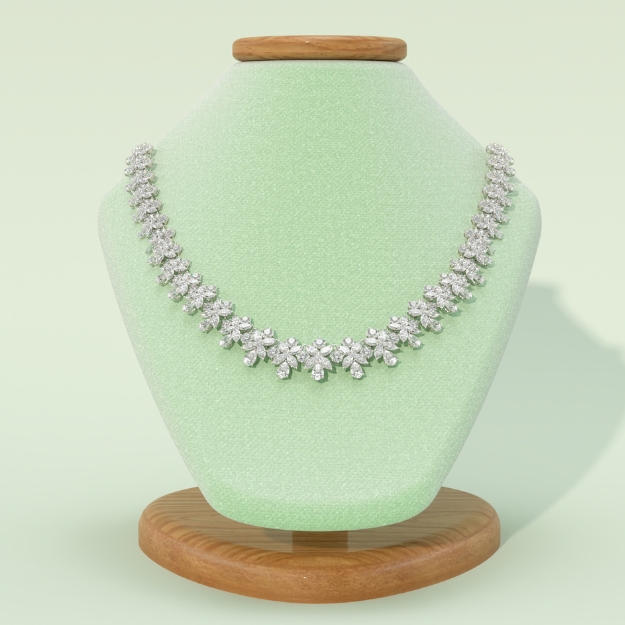
- Pendants
Shop By Category
- ASHTH LITE
Shop By Category
.jpg)
- Collections
Collections
Shop By Category
Shop By Category
Shop By Category
Shop By Category
Shop By Category
Collections
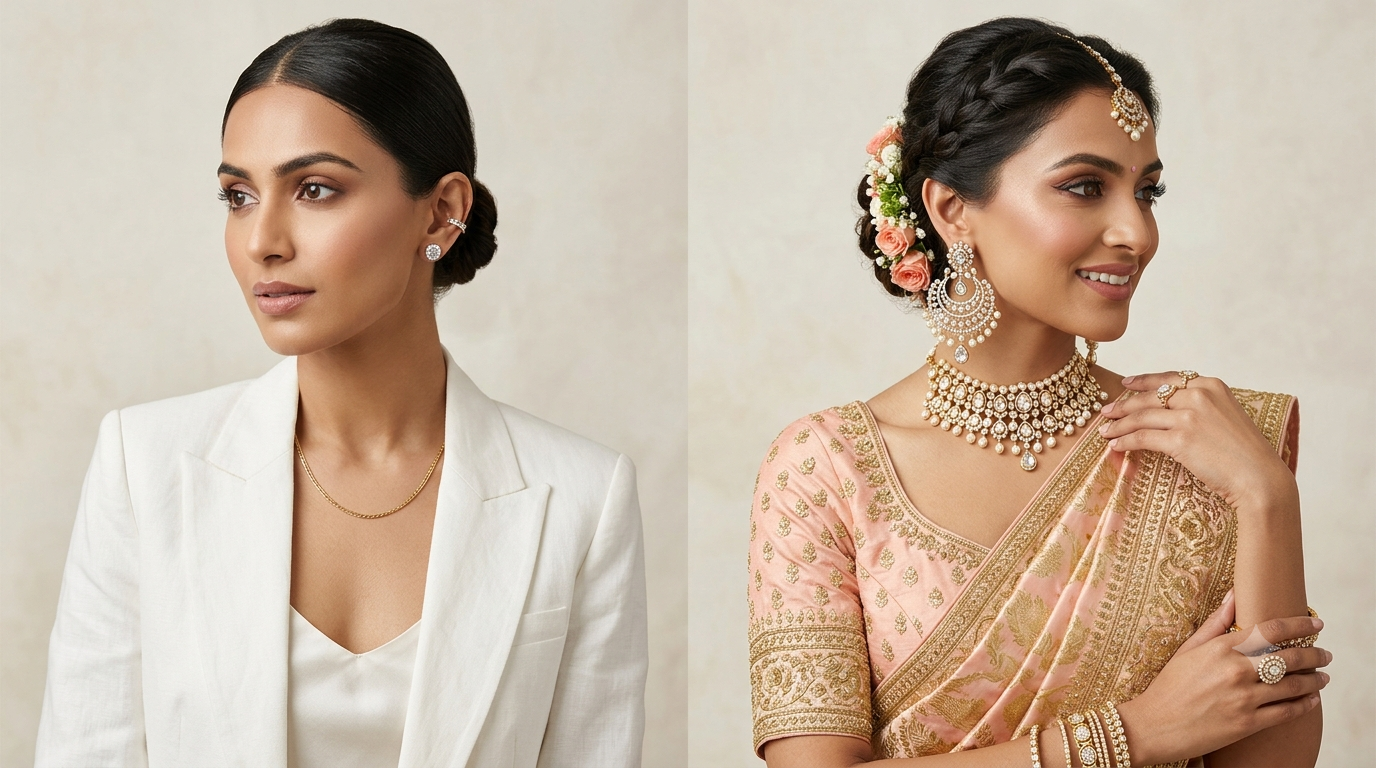
A lab grown diamond earring can anchor two very different wardrobes. The same small stud that looks polished beneath a blazer can also complement a silk sari, festive lehenga, or evening gown. What changes is not the diamond's basic identity, but the setting, metal, scale, shape, and the way the earring works with the rest of the outfit.
Western styling often favors clean silhouettes, understated sparkle, and designs that transition easily from work to weekends. Indian styling gives earrings more room for color, movement, richer metals, and decorative detail. Neither approach is better. The right choice depends on your outfit, occasion, face shape, comfort, and personal taste.
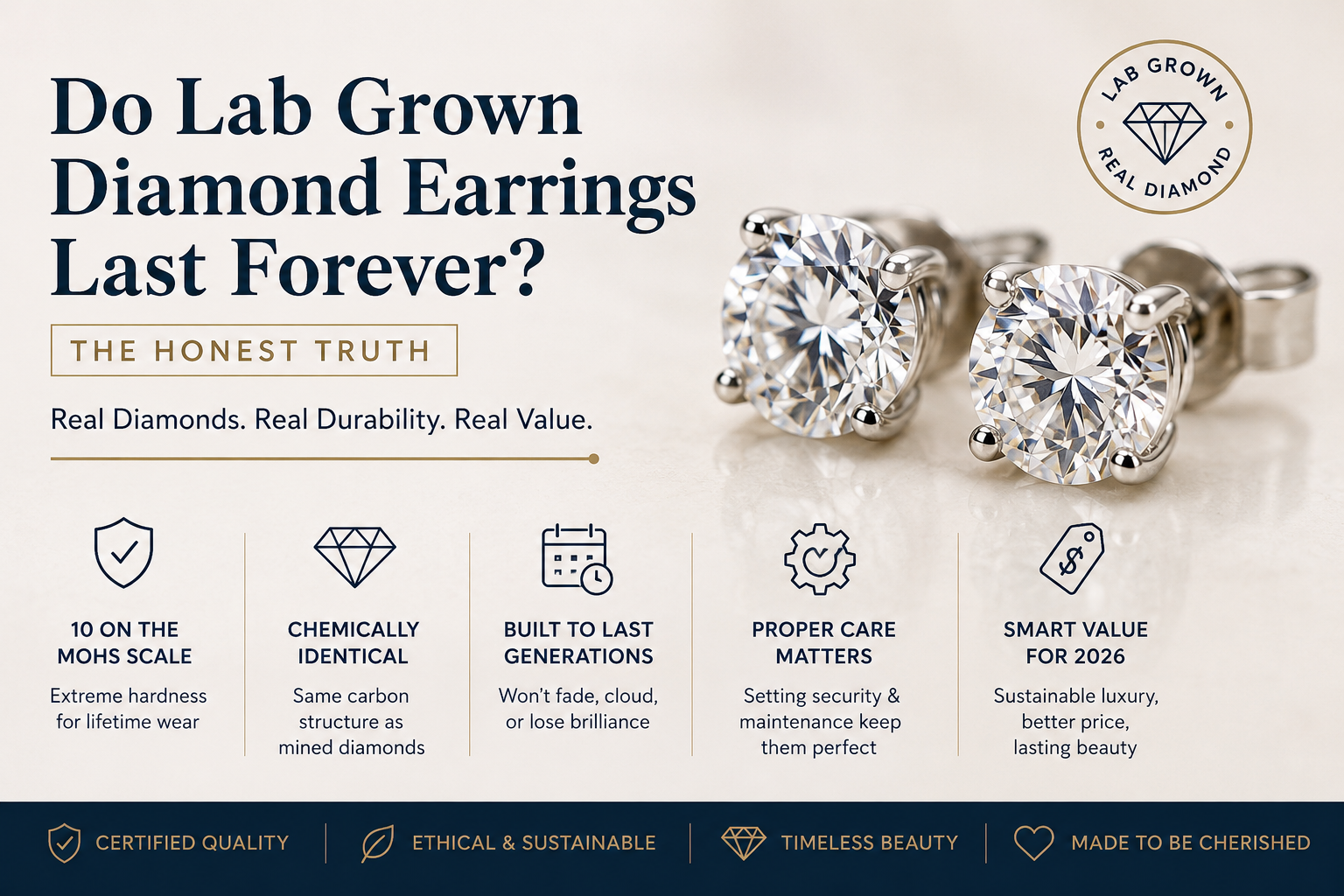
Laboratory-grown diamonds have essentially the same chemical, physical, and optical properties as natural diamonds, although their growth origin is different. That means the same styling principles can be applied whether you choose lab grown or natural diamonds.
India has a particularly important role in the global diamond industry. The country's cutting and polishing sector, centered strongly around Surat, processes a very large share of the world's diamonds. Industry sources commonly cite figures around 90% by volume. This manufacturing heritage has helped shape India's distinctive jewelry vocabulary, where diamonds are often combined with yellow gold, enamel, pearls, rubies, emeralds, and other decorative elements.
Western jewelry design, meanwhile, frequently emphasizes white gold, platinum, bezel settings, prongs, and streamlined silhouettes. Contemporary Western jewelry can certainly be dramatic, but everyday designs often prioritize simplicity and versatility.
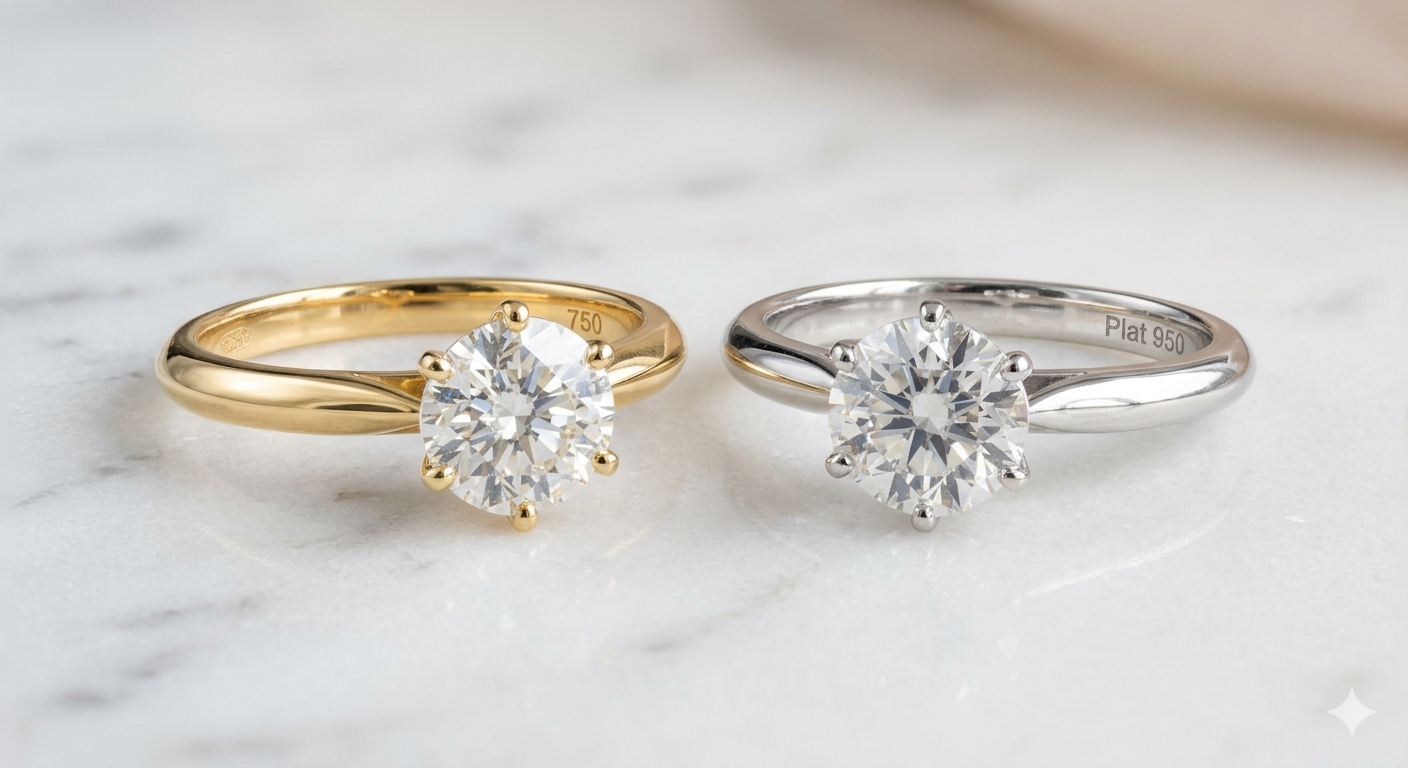
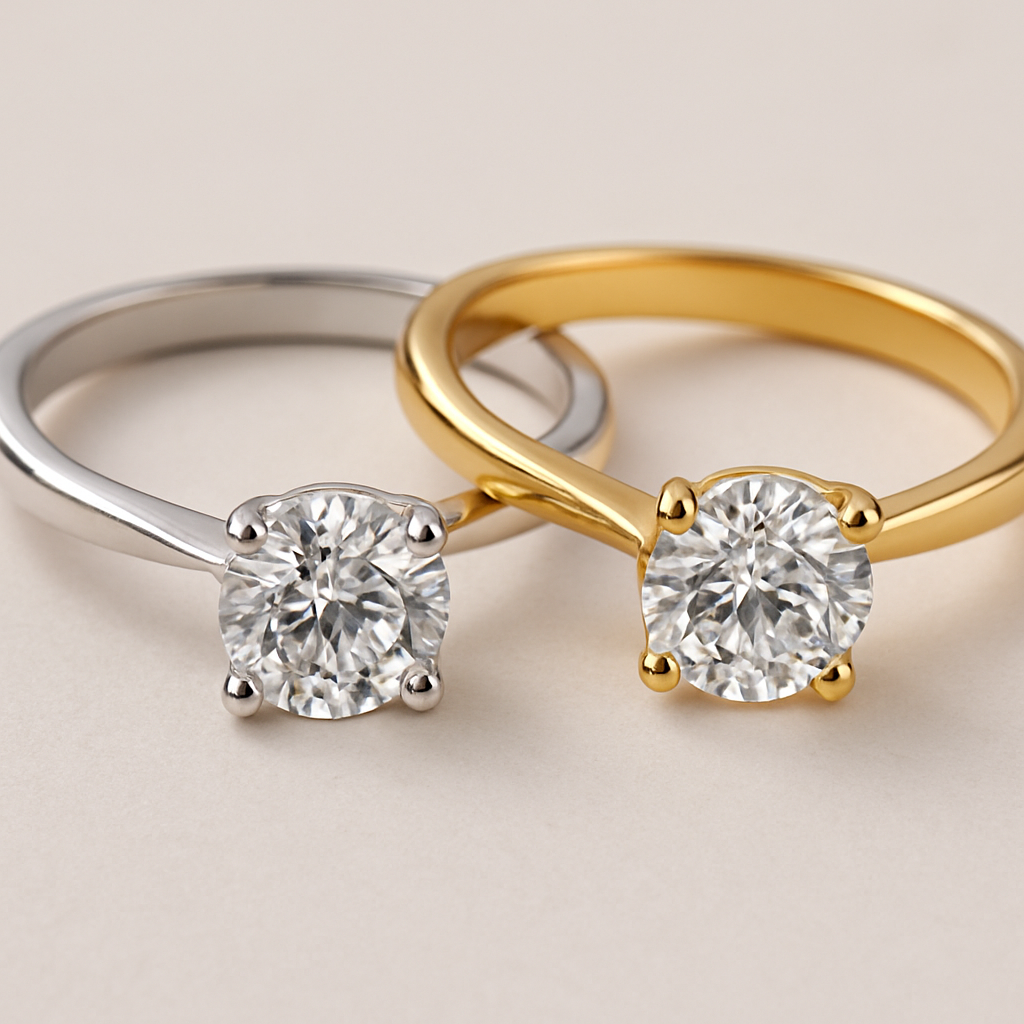
Metal also affects how a diamond is perceived. GIA notes that the environment surrounding a diamond, including its setting, can influence the perception of its color. White metals can create a crisp, bright appearance, while yellow and rose gold introduce a warmer visual effect.
This makes metal an important styling decision rather than simply a finishing detail.
Western styling works particularly well when you want your earrings to become part of your everyday wardrobe.
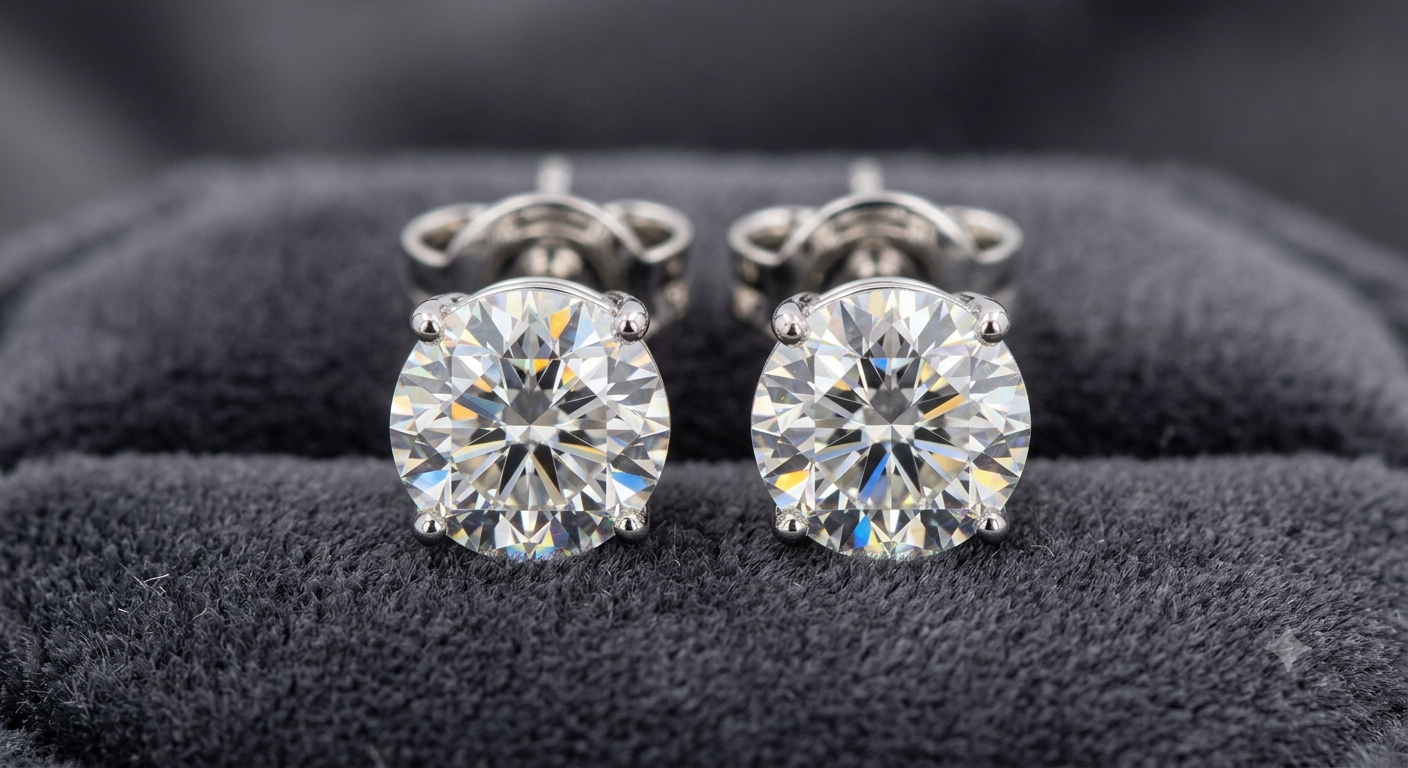
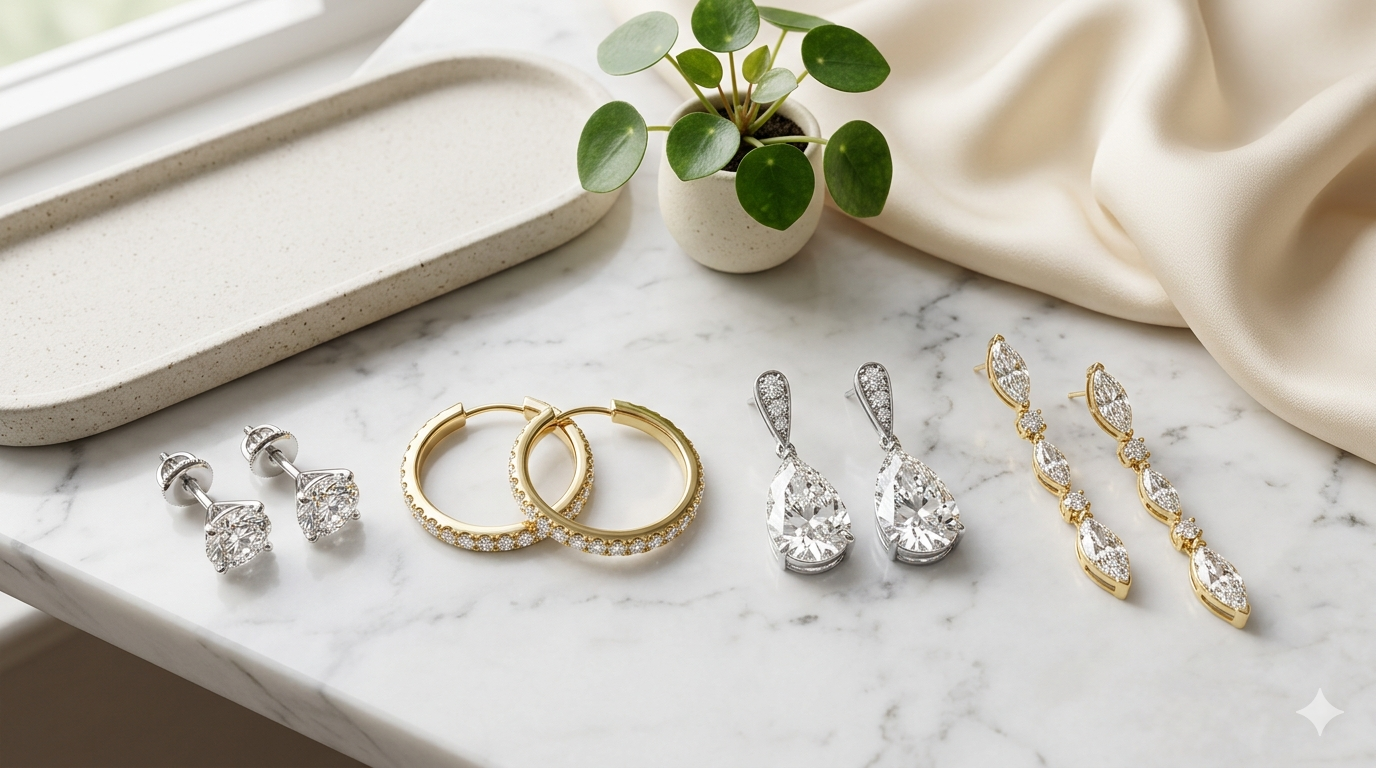
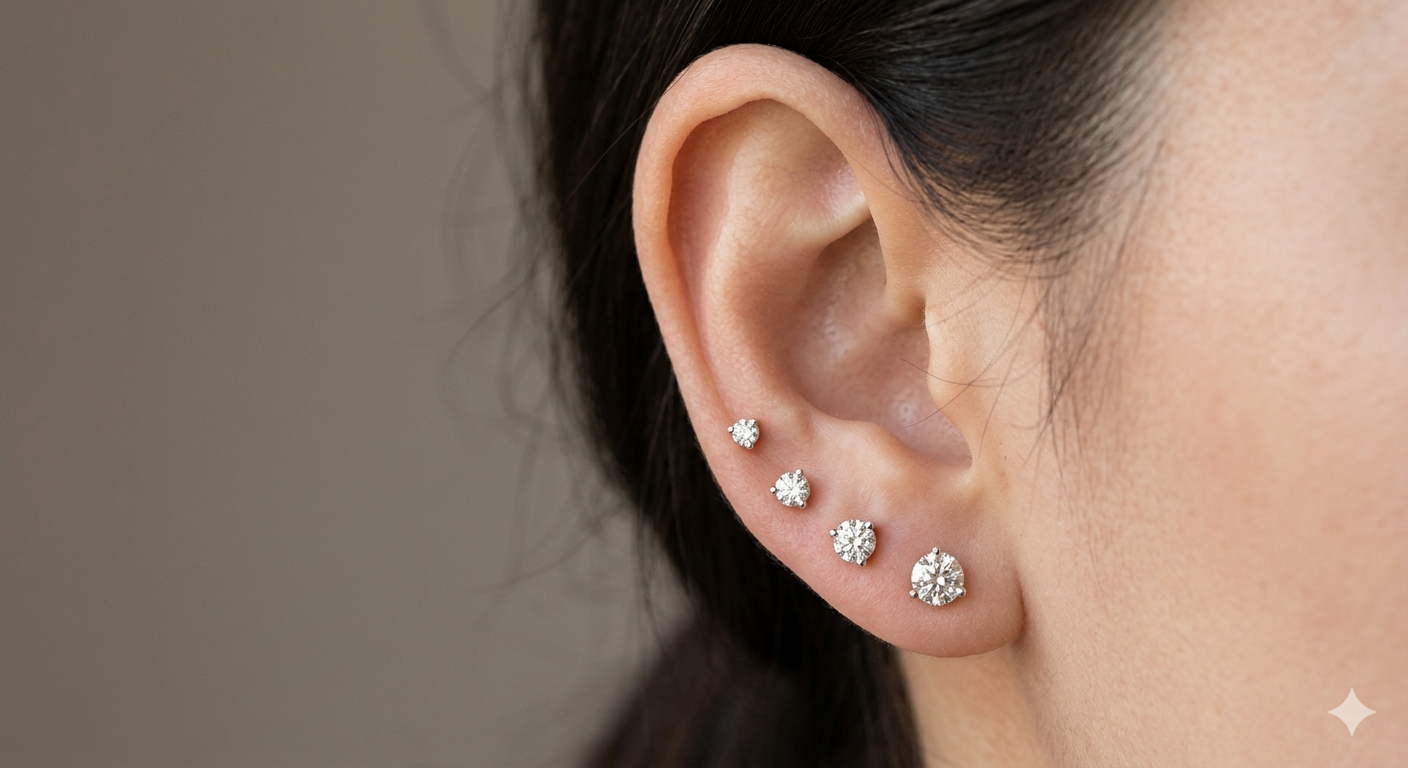
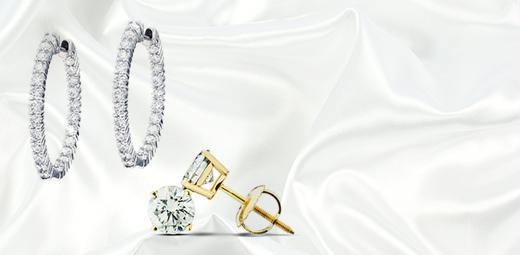
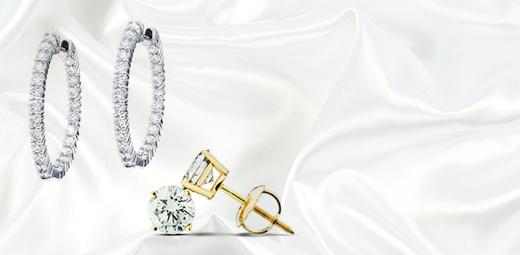
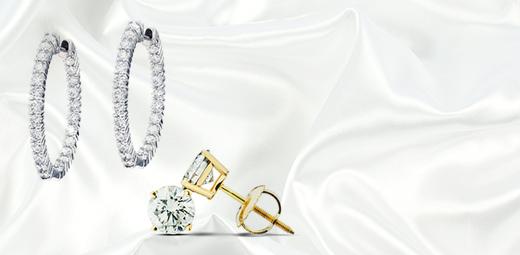
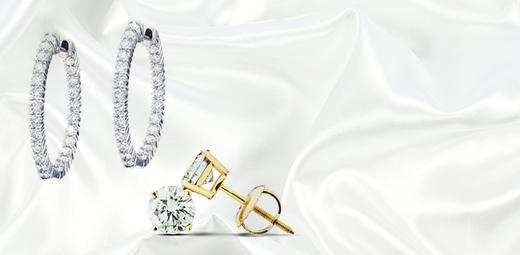
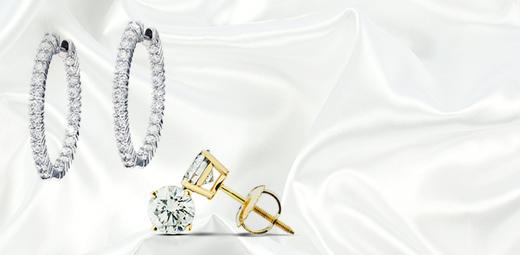
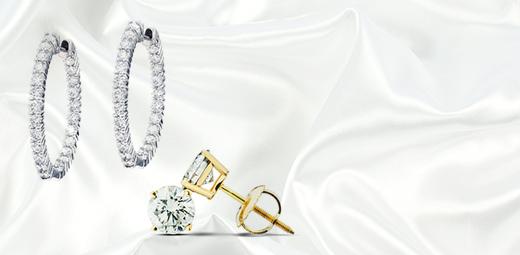
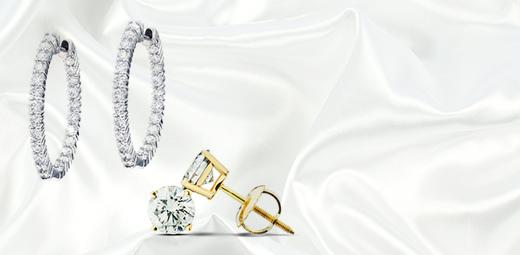
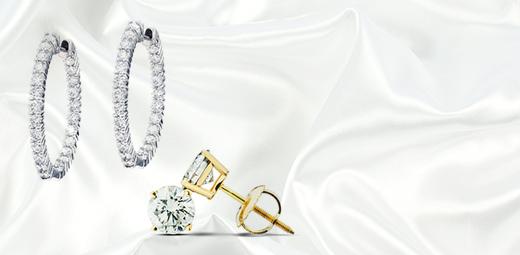
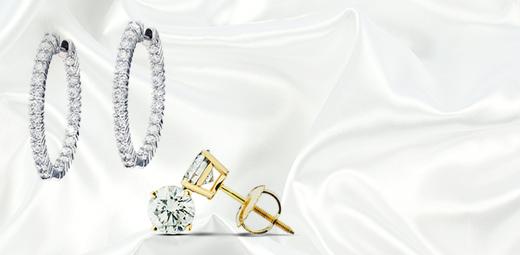
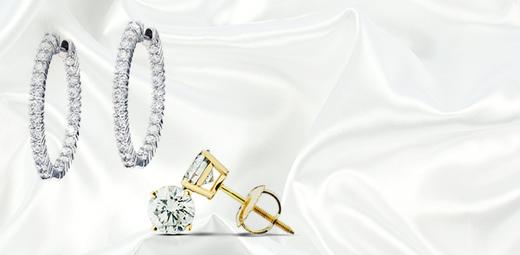
Classic solitaire studs pair naturally with button-down shirts, knitwear, blazers, denim, and simple dresses. Their compact shape adds a point of sparkle without competing with the clothing. Huggies offer another practical option for office outfits, travel, and weekends because they sit close to the earlobe.
Slim diamond hoops provide slightly more presence while remaining easy to style. They can work with a white shirt and tailored trousers just as easily as with jeans and a casual knit.
The setting also changes the look. A bezel setting creates a smooth, contemporary outline, while a prong setting leaves more of the diamond exposed and can emphasize its interaction with light.
For styling purposes, you can use these ranges as starting points:
These are styling guidelines, not fixed industry standards. Actual appearance depends on the diamond's shape, measurements, number of stones, and setting.
Metal can follow your existing wardrobe:
White gold or platinum: black, navy, gray, and tailored clothing
Yellow gold: cream, beige, brown, denim, and warm neutrals
Rose gold: blush, tan, soft pink, and light gray
For example, diamond huggies with a white shirt, straight-leg jeans, and a black blazer create a polished look without feeling overdressed. If you choose larger hoops or drops, keeping your necklace and other jewelry simple can prevent the outfit from becoming visually crowded.
Comfort matters too. For earrings you plan to wear for several hours, look for a secure backing that feels comfortable and stays firmly in place.
Indian styling gives a diamond earring a more expressive role. Earrings are often expected to move, catch light from multiple angles, and interact with other jewelry.
Different silhouettes work particularly well with traditional and festive outfits:
Jhumkas: saris, lehengas, anarkalis, and silk suits
Chandbalis: weddings and festive occasions
Diamond drops: sari blouses, shararas, and evening gowns
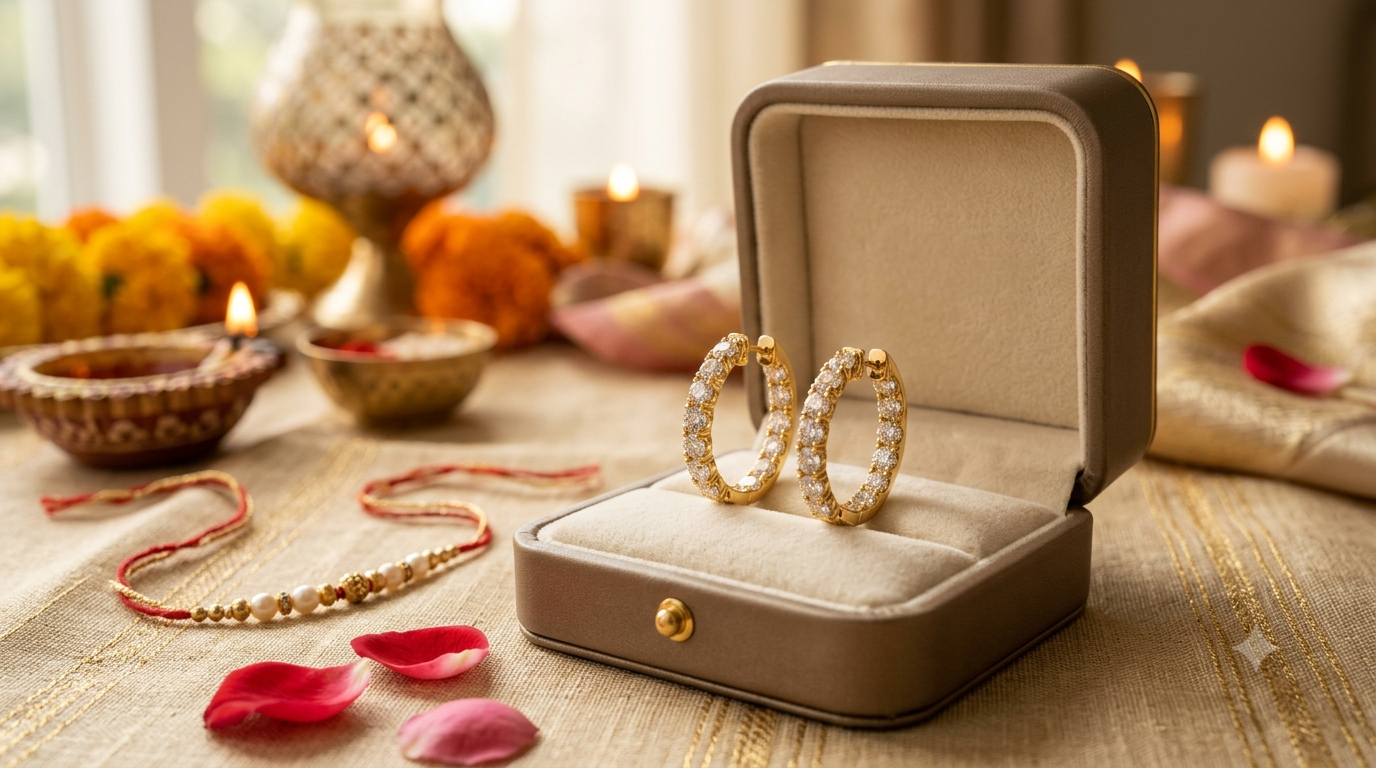
Yellow gold remains a classic choice for traditional and bridal styling. Diamonds can also be paired with rubies, emeralds, pearls, or enamel to introduce color and cultural detail.
For example, green gemstones can complement green silk or an emerald-toned outfit, while red gemstones can work beautifully with traditional bridal palettes. Pearls can soften pastel outfits and create a lighter festive look.
It is also useful to distinguish polki-inspired aesthetics from modern brilliant-cut diamond jewelry. Polki-inspired designs generally emphasize a traditional, handcrafted appearance, while brilliant-cut diamonds are associated with precise faceting and bright sparkle.
Balance is the key to wearing statement earrings well. If your outfit already includes heavy zari work, an elaborate dupatta, or a statement choker, smaller earrings may create a more refined result. If the neckline and other jewelry are simple, you have more freedom to make the earrings the focal point.
A pastel lehenga with a plain blouse and diamond chandbalis is a good example. The earrings add movement and detail while allowing the outfit itself to remain visually clean.
Face shape can be a useful starting point, but it should never become a strict rule. If you love a particular design and it feels comfortable, that matters more than a styling formula.
Longer drops, slim chandbalis, and angular designs can add visual length and contrast with rounded facial proportions.
Round hoops, clustered studs, and wider jhumkas can add visual width and create balance.
Oval faces are highly versatile. Everything from small studs and huggies to dramatic drops can work depending on the outfit and occasion.
Teardrops and designs that become slightly wider toward the jawline can complement a narrower chin.
Earring scale matters just as much as shape:
The outfit itself should also influence the choice.
White blazer and trousers: Choose diamond studs or thin hoops for a Western look. For an Indian-inspired interpretation, try yellow-gold drops with a small colored gemstone.
Red silk sari: Sleek diamond drops with minimal jewelry create a contemporary look. Diamond jhumkas with coordinated gold bangles create a more traditional result.
Black evening dress: Platinum chandelier earrings offer modern glamour, while diamond chandbalis create an elegant Indian-inspired statement.
When buying a lab grown diamond earring, carat weight is only one part of the decision. The 4Cs—cut, color, clarity, and carat weight—help you evaluate the stone more completely.
Cut deserves particular attention because it has a major influence on brilliance, fire, and scintillation. GIA describes cut quality as a key factor behind the way a diamond interacts with light.
For earrings, an eye-clean clarity grade may offer better practical value than paying a premium for extremely high clarity that is difficult to appreciate without magnification. Color should also be considered alongside the metal. Yellow or rose gold can create a warmer overall appearance, while white metals provide a brighter, cooler contrast.
Laboratory-grown diamonds can be identified and evaluated by professional gemological laboratories. GIA notes that laboratory-grown diamonds have essentially the same chemical and optical properties as natural diamonds but possess growth-related characteristics that allow trained laboratories to distinguish them.
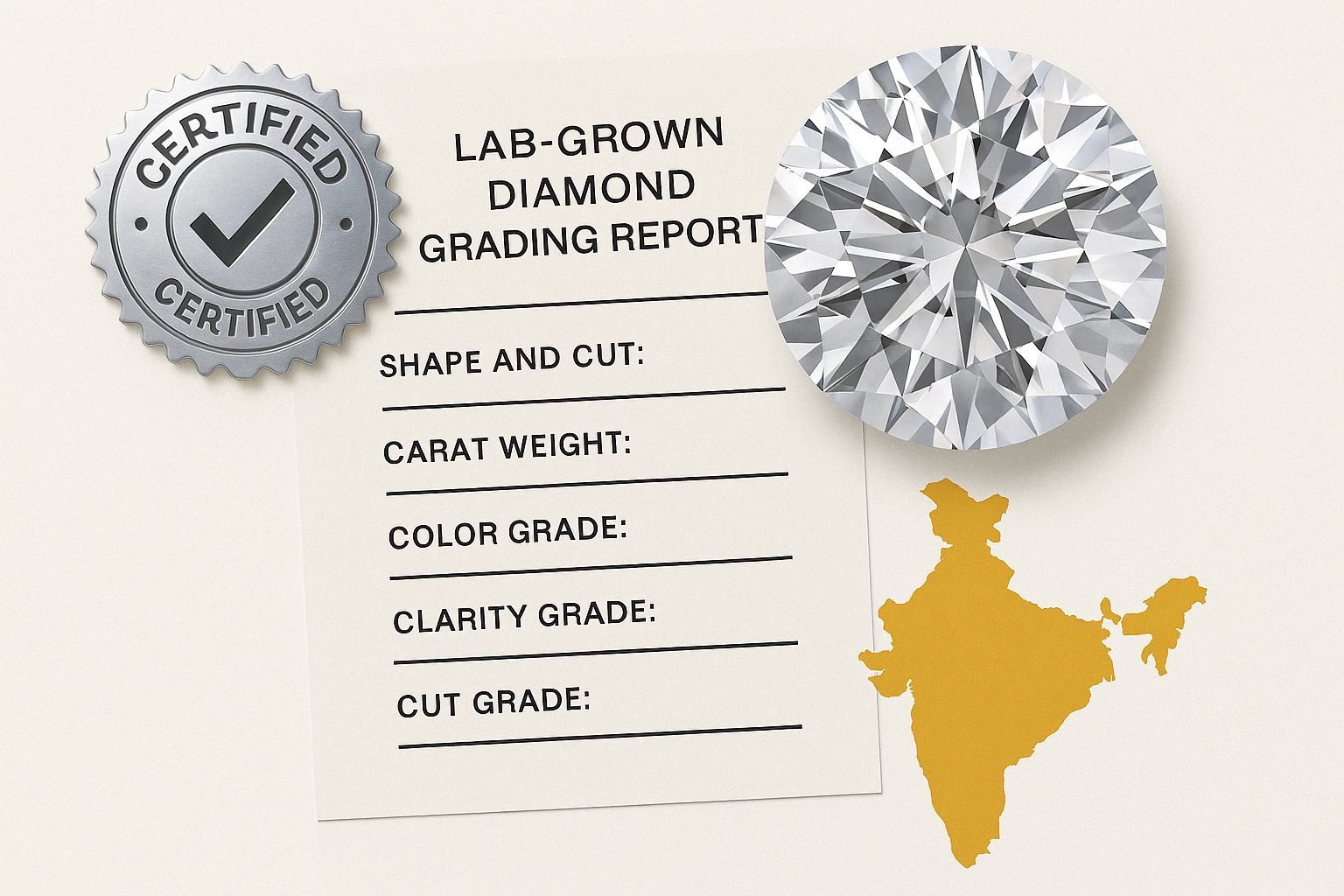
IGI laboratory-grown diamond reports can document characteristics such as shape, measurements, carat weight, color, clarity, cut, and laboratory-grown origin.
When comparing earrings, don't rely only on total carat weight. Two pairs with the same total weight can look very different depending on the number of diamonds, stone shape, measurements, and setting.
Before purchasing, check:
Metal type and purity
Total carat weight
Individual stone measurements
Diamond shape and cut
Setting construction
Backing and clasp
Grading or quality documentation
Return policy
Warranty and repair support
Compare several sellers on the complete package rather than choosing solely by price.
You do not need a huge jewelry collection to cover both Western and Indian wardrobes. Three well-chosen pairs can handle most occasions.
1. Daily pair: small studs or diamond huggies
2. Occasion pair: medium hoops or diamond drops
3. Statement pair: jhumkas, chandbalis, chandelier earrings, or layered drops
You can also deliberately mix both traditions.
Try a yellow-gold diamond hoop with a silk kurta and tailored trousers. Wear diamond jhumkas with a simple black dress and sleek hair. Or pair white-gold diamond drops with a single-color sari for a modern contrast.
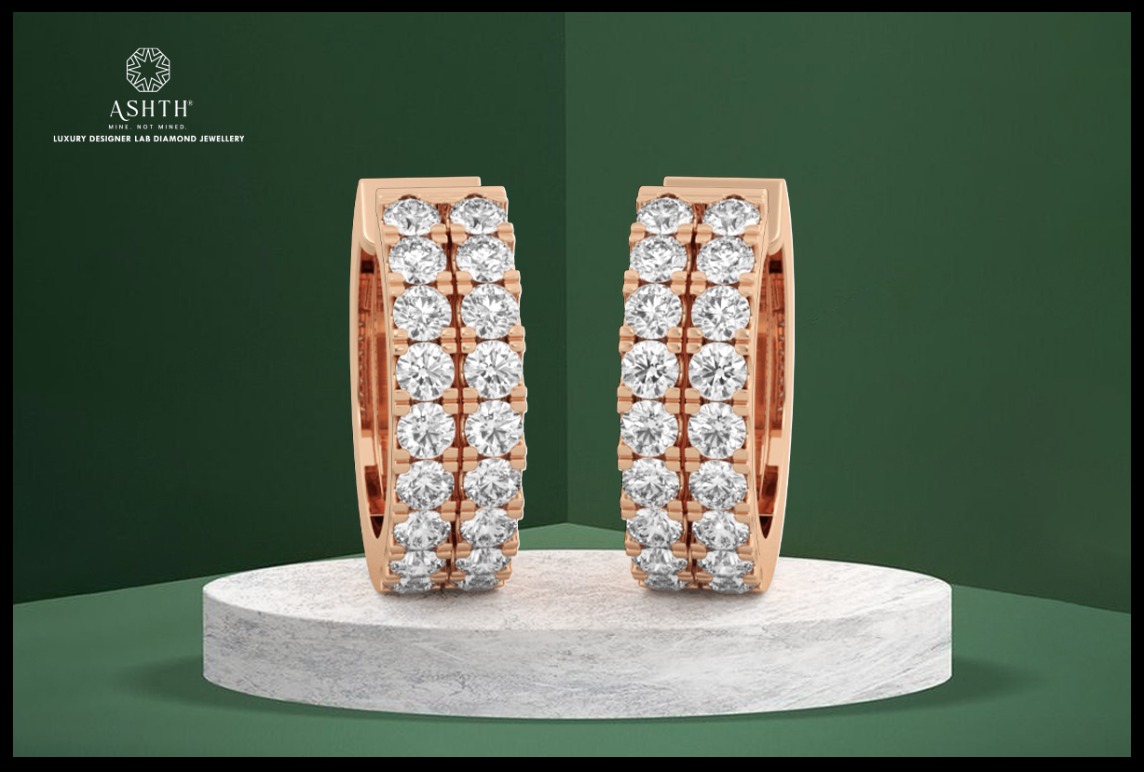
If you're comparing a classic solitaire with a design containing multiple stones, two stone earrings can offer a different visual balance and may provide more presence without requiring a dramatically larger individual diamond.
For shoppers specifically considering small diamond stud earrings, remember that carat weight alone does not determine how large the earrings will appear. Setting style, stone measurements, backing, and proportions all influence the final look.
If you're unsure which dimensions are right for you, How to Choose the Right Size for Small Diamond Stud Earrings can help you compare everyday, work, and occasion-friendly sizes.
Western styling generally favors clean shapes, understated sparkle, and versatile designs such as studs, huggies, and slim hoops. Indian styling often incorporates yellow gold, gemstones, movement, and more detailed silhouettes such as jhumkas and chandbalis. The two approaches can also be mixed.
Yes. Laboratory-grown diamonds have essentially the same chemical, physical, and optical properties as natural diamonds, so they can be used in studs, hoops, drops, jhumkas, and other jewelry designs. Their key distinction is their origin.
For everyday wear, 0.25–0.50 carat total weight can be a practical starting point. Around 0.50–1.00 carat total weight can provide more visible presence for work-to-dinner or occasion styling. These are styling guidelines rather than fixed standards.
Longer drops, elongated designs, slim chandbalis, and angular shapes can create visual length against a round face. However, face-shape recommendations are only styling guidelines. Personal preference and comfort should come first.
There is no single best metal. Platinum and white gold offer a bright, cool-toned appearance. Yellow gold creates warmth and works especially well with traditional Indian styling, while rose gold can create a softer contemporary look. Choose according to your wardrobe, preferred aesthetic, durability needs, and budget.
Check the diamond's measurements, cut, color, clarity, carat weight, metal purity, setting quality, backing, return policy, and warranty. If a laboratory report is provided, check which laboratory issued it and verify the report details. IGI, for example, provides laboratory-grown diamond reports containing key gemological information.
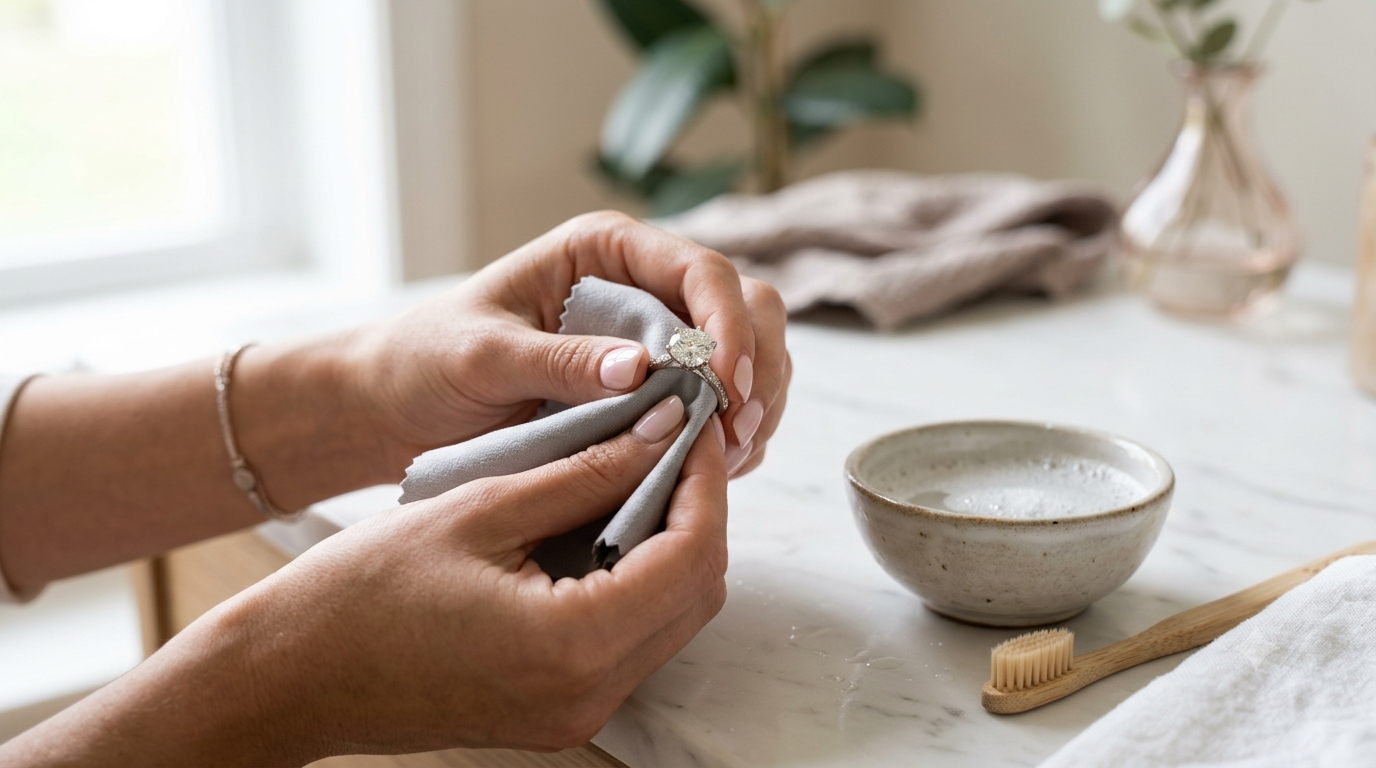
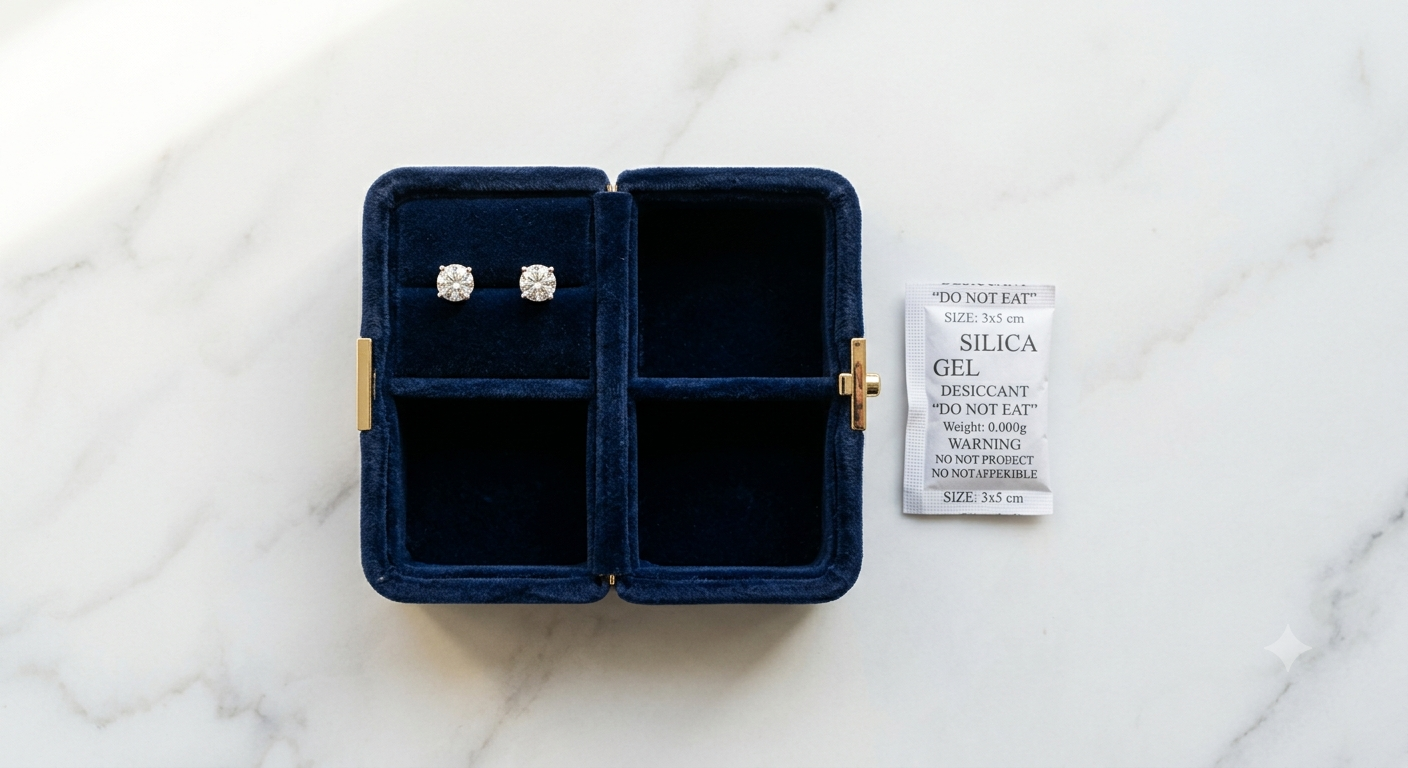
Clean diamond earrings gently with warm water, mild soap, and a soft brush, then dry them thoroughly. Avoid harsh chemicals and inspect posts, backs, hinges, and prongs periodically, especially if the earrings are worn frequently. Store them separately from jewelry that could scratch the metal or stones.
Western and Indian diamond earring styling may have different traditions, but they are not separate worlds.
Western styling emphasizes clean shapes, easy wear, and understated sparkle. Indian styling celebrates movement, richer metals, color, and ceremony. A yellow-gold hoop can look completely contemporary with tailored trousers, while diamond jhumkas can transform a simple black dress.
The best approach is to choose earrings around the way you actually dress and live.
Start with studs or huggies for everyday wear. Add hoops or drops for dinners and work events. Choose jhumkas or chandbalis when your outfit calls for festive detail.
Before buying a lab grown diamond earring, compare cut, setting, metal, comfort, measurements, total carat weight, documentation, return terms, and warranty. The largest diamond is not automatically the best choice.
Ultimately, the right diamond earring should feel natural with the clothes you wear, the occasions you celebrate, and the personal style you want to express.

 Round
Round Pear
Pear Heart
Heart PRINCESS
 Oval
Oval CUSHION
 EMERALD
 MARQUISE
 Asscher
 RADIANT
 Ashth CUT
 ROSE CUT
 BRIOLETTE
 SINGLE CUT
 TRAPEZIUM
 TULIP
TULIP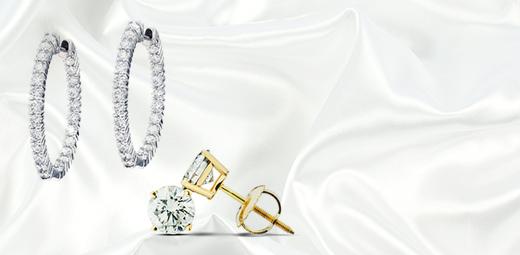 TRIANGLE
 BUTTERFLY
 FLOWER
 MOVAL
MOVAL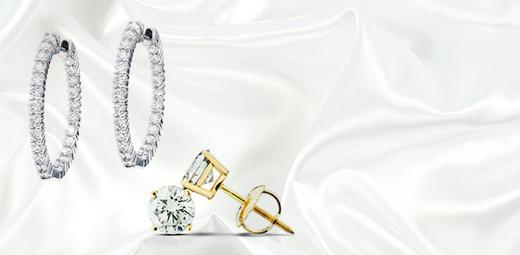 CLOVER
 BAGUETTE
 9KT ASHTH CUT
 9KT MARQUISE
 9KT PEAR
 9KT RADIANT
 9KT EMERALD